





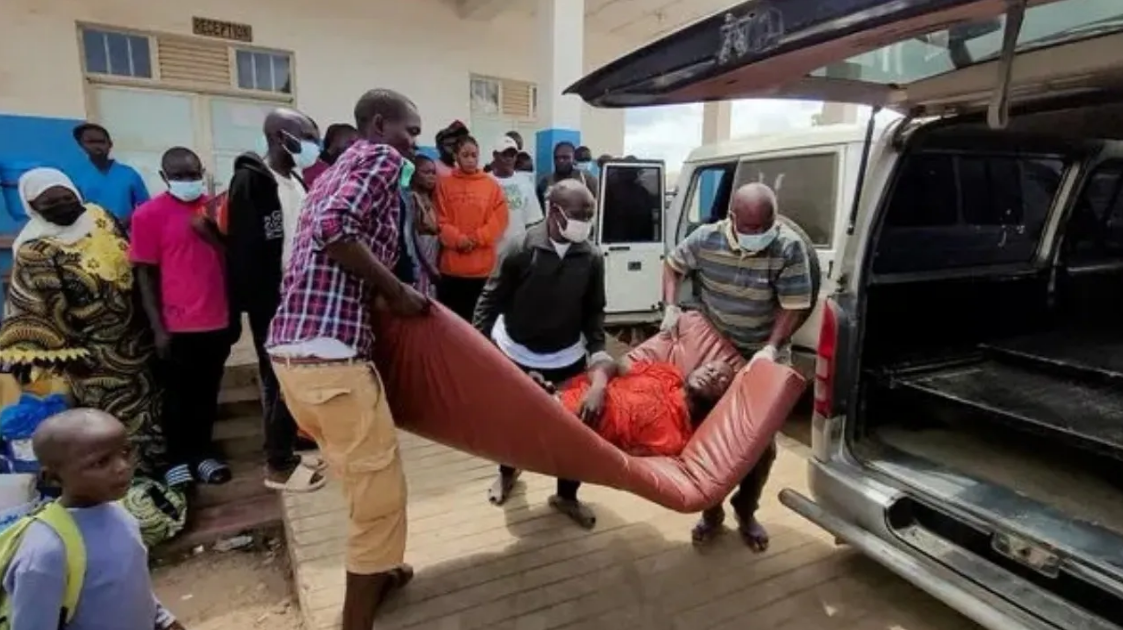
An Ebola outbreak in the Democratic Republic of Congo has triggered global concern after at least 88 deaths were reported, with around 300 additional people infected. Health authorities have also flagged the possibility of cross-border transmission, with reports suggesting the spread of cases into neighboring Uganda.
In response to the escalating situation, the World Health Organization (WHO) has declared a global health emergency, warning that while the outbreak does not yet pose an immediate worldwide threat, there is a significant risk of rapid spread within Congo and surrounding regions. The agency has urged heightened international vigilance.
According to WHO, several cases have also been detected in other regions, further raising concerns about containment. The organization noted that preliminary laboratory samples indicate a high positivity rate, with new infections continuing to rise on a daily basis.
The WHO also highlighted that Ebola remains a highly dangerous viral disease with no specific cure or widely approved vaccine, making outbreak control particularly challenging. It stated that this limits treatment options and increases the importance of early detection and containment measures.
The global health body has advised countries to activate emergency response mechanisms and strengthen border screening protocols, while cautioning against travel bans and trade restrictions. It has further recommended quarantine for confirmed cases, rigorous contact tracing, and close medical monitoring of all exposed individuals, particularly in affected regions of Congo.