





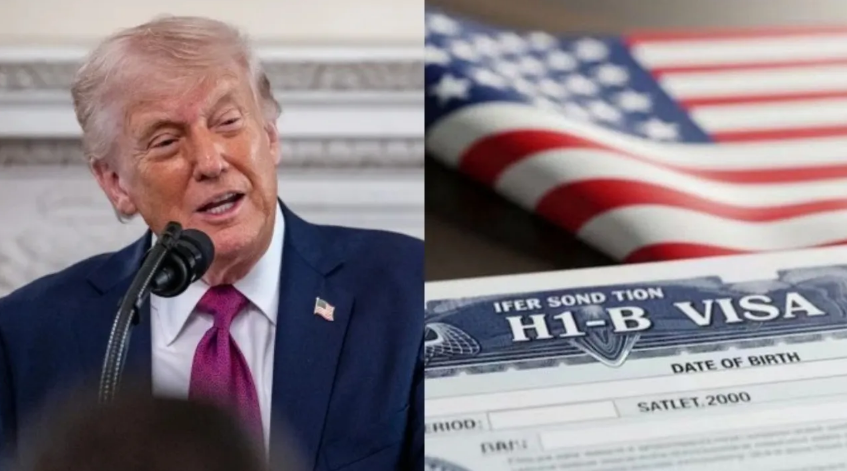
Washington: A Republican lawmaker in the United States, Eli Crane, has introduced a new bill titled the “End H1B Visa Abuse Act 2026,” proposing major changes to the H1B visa system. The move has triggered concern among the Indian diaspora, as the proposed legislation aims to significantly tighten norms governing foreign skilled worker visas.
According to the bill, the H1B program would be suspended for an initial period of three years before being restructured. It also proposes reducing the annual visa cap from the existing 65,000 to just 25,000, along with scrapping the current lottery-based selection system. Instead, a wage-based selection model would be introduced, prioritising higher-paid applicants.
The legislation further mandates a minimum annual salary of $200,000 (approximately ₹1.67 crore) for H1B visa holders. It also seeks to prohibit hiring through third-party staffing firms. In addition, the bill includes restrictions preventing H1B workers from bringing family members to the United States and calls for the abolition of the Optional Practical Training (OPT) program for international students.
Another key provision of the proposed law bars H1B visa holders from applying for permanent residency (Green Card). It also requires individuals to exit the United States before switching to another visa category. Meanwhile, lawmakers including Andy Ogles and Greg Steube have reportedly supported similar calls for either scrapping the H1B program or reducing it to minimal levels.
Currently, more than 70% of H1B visas are issued to Indian professionals, with around 2.83 lakh Indians working in the United States under this category. Major tech companies such as Google and Meta continue to rely heavily on Indian talent. If the bill becomes law, it could significantly impact Indian IT professionals and reshape the U.S. tech workforce. The development comes amid already tightened visa rules, including higher fees, stricter scrutiny of applicants’ digital profiles, and delays in interview schedules extending into 2027.