





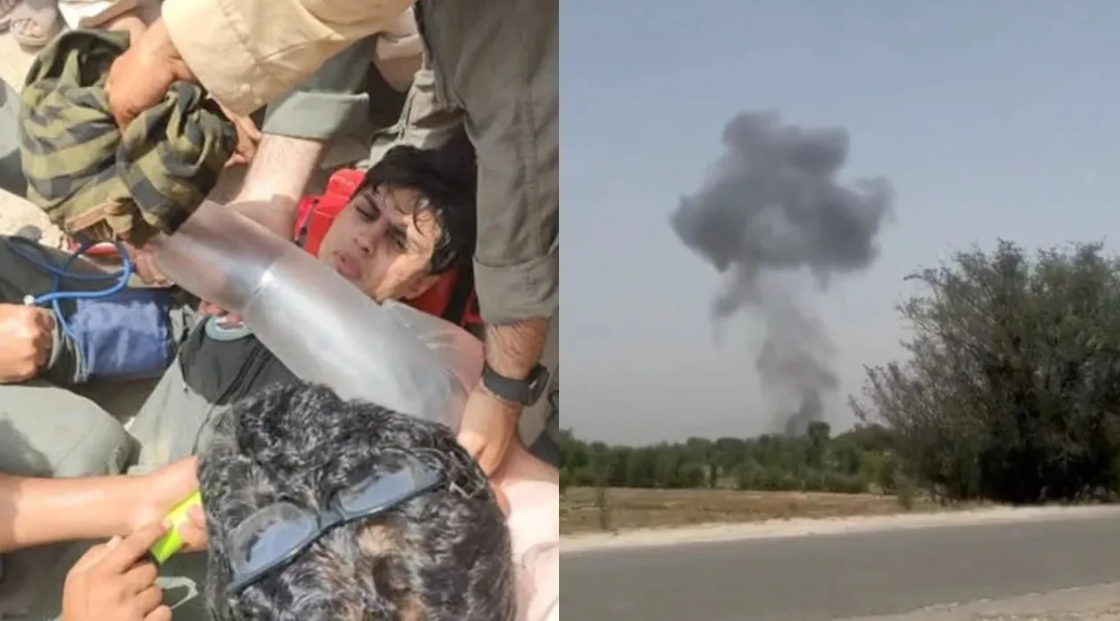
A Pakistan Air Force (PAF) JF-17 Thunder fighter jet crashed near the Pakistan Aeronautical Complex (PAC) in Kamra during a routine training mission, triggering concerns over the safety and reliability of the country’s combat aircraft fleet. Preliminary reports indicated that the aircraft suffered a technical malfunction moments before the crash.
According to officials, both pilots successfully ejected from the fighter jet using parachutes just seconds before the aircraft went down. The pilots reportedly sustained serious injuries and were immediately shifted to a nearby hospital for treatment. Authorities confirmed that the crash occurred in a non-residential area, preventing any civilian casualties or major property damage.
Videos related to the incident have gone viral on social media, showing the aircraft shortly after takeoff, the pilots descending with parachutes, and thick smoke billowing from the crash site. Local residents, emergency responders, and rescue teams rushed to the area soon after the accident to assist in rescue operations and secure the site.
The incident has once again raised questions over the reliability of Chinese-origin military aircraft used by Pakistan. Reports suggest this is the seventh crash involving Chinese-made fighter jets in Pakistan in recent years, intensifying scrutiny over maintenance standards, operational preparedness, and the overall effectiveness of the Pakistan Air Force’s fleet modernization strategy.
The JF-17 Thunder is a lightweight, single-engine, multi-role combat aircraft jointly developed by Pakistan and China. The fighter jet is widely used by the PAF for air defense, ground attack, maritime strike, and reconnaissance missions. However, recurring technical issues and quality concerns surrounding the aircraft are increasingly emerging as a major challenge for Pakistan’s defense sector.