





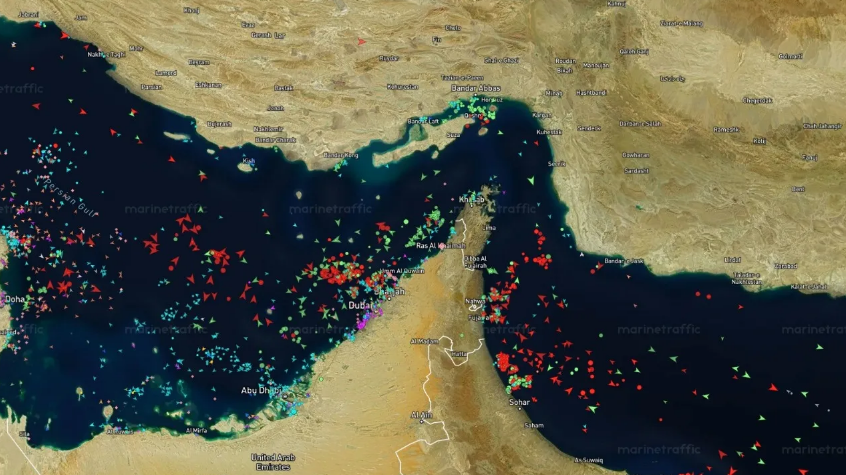
The Iran has announced that the strategically vital Strait of Hormuz has been fully reopened after days of disruption. The development comes amid easing tensions in the region, with Tehran stating that the route will remain open as long as the ceasefire between Israel and Lebanon continues. Iran also assured that it will not interfere with vessels transiting through the corridor.
The announcement follows a temporary 10-day ceasefire agreement brokered by the United States between Israel and Lebanon. As part of the truce, Israel has halted its airstrikes, while Hezbollah has suspended its rocket attacks. Iran’s decision to reopen the Strait of Hormuz is being viewed as a significant step in stabilizing maritime trade in the region.
The Strait of Hormuz is one of the world’s most critical oil transit chokepoints, with nearly 20 percent of global crude supplies passing through it. Iran had previously restricted movement through the strait amid escalating hostilities, disrupting supply chains and driving up international oil prices. The reopening is expected to ease supply concerns and help stabilize global energy markets.
The move is also seen as a positive signal for de-escalation in West Asia, where multiple ceasefire arrangements are currently in place. Diplomatic efforts continue, with US President Donald Trump recently indicating that a second round of talks with Iran could be held in Islamabad, underscoring ongoing attempts to maintain regional stability.