





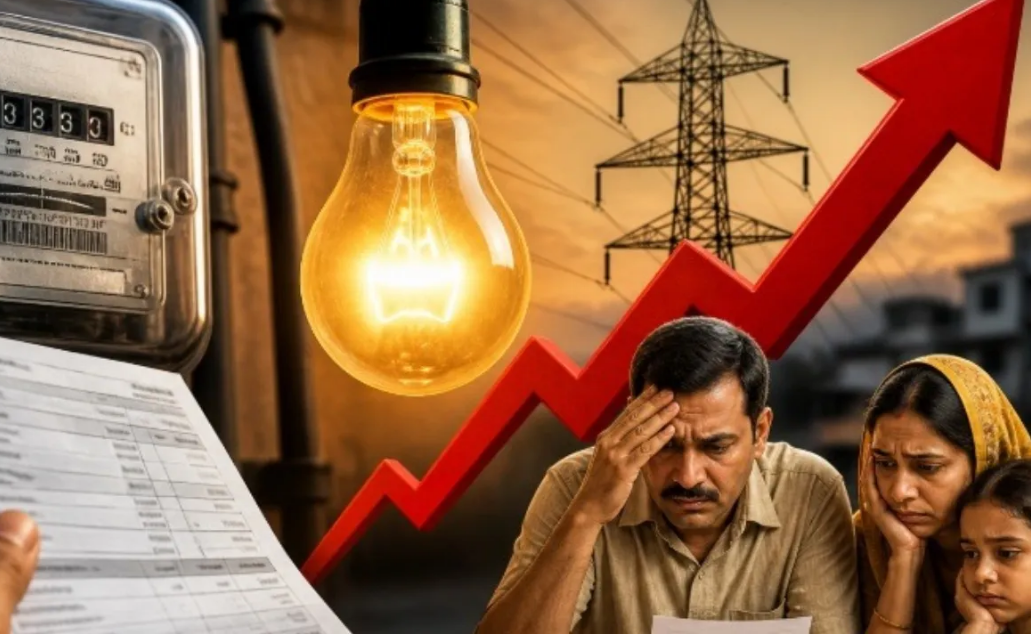
The rising prices of petrol, diesel, and CNG have already put significant pressure on household budgets across the country. Amid growing inflation concerns, electricity consumers may soon face another financial burden, as the Central Electricity Authority (CEA) has proposed a major revision in power tariff structures, including a steep increase in fixed electricity charges.
According to the proposal, consumers would have to pay higher fixed charges every month irrespective of their electricity usage. Fixed charges are the mandatory minimum fees levied by power distribution companies (DISCOMs) for maintaining an active electricity connection, even if the consumer records zero power consumption during the billing cycle.
The CEA noted that a large portion of DISCOMs’ operational expenses — including transmission infrastructure maintenance, employee salaries, and grid upkeep — are fixed in nature and account for nearly 38 to 56 percent of their overall expenditure. However, the revenue generated through existing fixed charges reportedly contributes only 9 to 20 percent of their total income, resulting in mounting financial losses for electricity distribution companies.
Experts believe the growing adoption of rooftop solar systems and alternative energy solutions by affluent households and major industries has further impacted DISCOM revenues. As consumers increasingly shift toward self-generated solar power, the number of electricity units purchased from distribution companies has declined sharply, affecting their earnings. The Centre reportedly views the increase in fixed charges as a necessary step to bridge the widening gap between operational costs and revenue generation.
To address the issue, the CEA has recommended a phased implementation of revised fixed charges by 2030. It has proposed increasing the fixed revenue contribution from domestic and agricultural consumers to 25 percent, while raising it to 100 percent for industrial and commercial consumers. The authority has also suggested introducing a separate tariff policy for rooftop solar and net-metering users. If implemented, the proposals are expected to lead to a substantial increase in electricity bills in the coming years.