





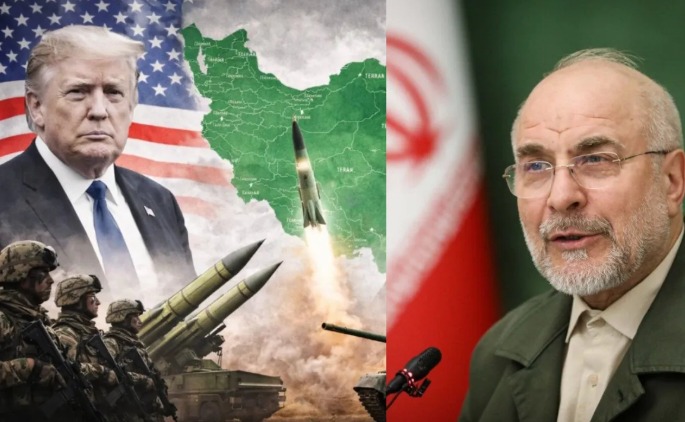
The ongoing war in West Asia has thrown the region into chaos, with several countries facing attacks while others are suffering economic crises due to disrupted oil supplies. Shortages of petrol, diesel, and gas have left citizens struggling. In a temporary reprieve, U.S. President Donald Trump announced a five-day pause on “Operation Epic Fury” against Iran, signaling willingness for diplomatic talks. During this period, Iranian Parliament Speaker Mohammad Bagher Ghalibaf has emerged as a key international figure reportedly engaging with the Trump administration, although the exact details of the negotiations remain unclear.
Ghalibaf is one of Iran’s most powerful and controversial leaders, combining a long political career with military experience. He served as the IRGC Air Force Commander from 1997 to 2000 and as Iran’s Police Chief from 2000 to 2005, during which he faced allegations of harshly suppressing student protests. From 2005 to 2017, he served as Tehran Mayor, gaining recognition for modernization efforts while facing corruption allegations. Despite unsuccessful presidential bids in 2005, 2013, 2017, and 2024, his influence in Iran’s political system remains substantial.
The current situation has raised speculation about Ghalibaf’s role in filling the leadership vacuum following Supreme Leader Khamenei’s eventual succession. While U.S. and Israeli intelligence suggest he is the figure negotiating with Trump, Ghalibaf has publicly denied any direct talks with the United States, labeling such claims as “fake news.” Nevertheless, credible sources indicate he has maintained communication with Trump’s team through intermediaries in Egypt and Turkey.
Analysts describe Ghalibaf as a conservative hardliner with significant strategic acumen, capable of guiding Iran through the ongoing crisis. The outcome of any engagement regarding Trump’s proposed 15-point peace plan is expected to play a pivotal role in determining the stability and political future of the Middle East, with potential implications for global energy markets and regional security.