





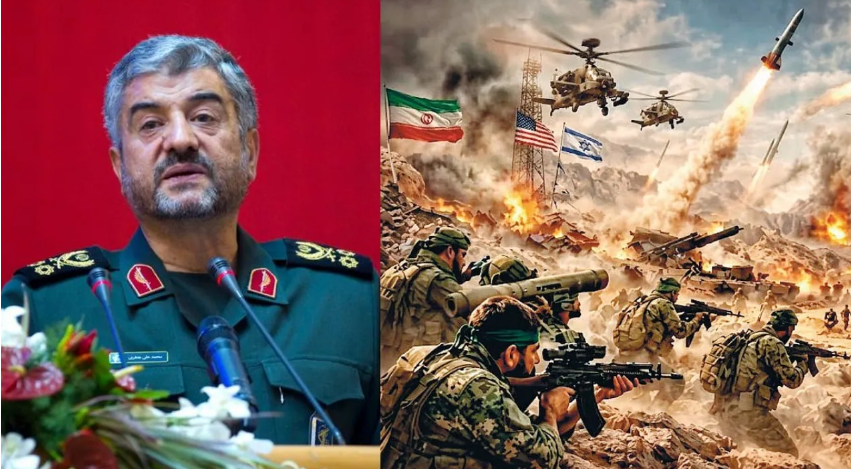
The conflict in West Asia is escalating rapidly. On February 28, 2026, the United States and Israel launched a joint operation, “Operation Epic Fury,” expecting to deliver a crippling blow to Iran. However, two weeks of ongoing developments have stunned the global community. Despite the reported deaths of Iran’s top leadership, including Supreme Leader Ali Khamenei, the country has not collapsed. Experts attribute this resilience to a sophisticated military strategy designed by former IRGC Commander General Qafari, ensuring Iran’s war machinery continues to function even if individual leaders are eliminated.
The Mosaic Doctrine: A Strategic Safeguard
In 2003, Saddam Hussein’s army collapsed within 26 days due to centralized power; when communications were disrupted, local commanders were unable to act, leading to a rapid military disintegration. Learning from this, General Qafari introduced the “Mosaic Doctrine” in 2005 to prevent a similar fate in Iran. Under this system, the country is divided into 31 autonomous regional commands, each with its own missiles, drones, and command centers. Even if communication with Tehran is cut, local commanders can independently continue operations, making the military highly resilient against decapitation strikes.
War in Autopilot Mode
Iran now refers to the ongoing conflict as the “2026 Ramadan War.” The fighting is proceeding in a pre-planned “autopilot” mode, independent of orders from any single leader. Foreign Minister Araghchi highlighted the system’s confidence, stating, “Even if bombs fall on our capital, our capabilities remain intact… we alone decide when the war ends.” The statement reflects the decentralized command structure and self-reliance built into the Mosaic Doctrine.
Missile Strikes and Guerrilla Tactics
Following attacks on Iran’s leadership, Iranian forces launched missile strikes on U.S. bases across Bahrain, Qatar, the UAE, and Jordan. Employing difficult terrain and expansive operational zones, Iran is executing guerrilla-style warfare designed to neutralize centralized military forces. Analysts note that this “Hydra-like” structure ensures that even the elimination of key leaders cannot halt military operations, providing Iran with a strategic advantage in sustaining prolonged conflict.
Making Defeat Impossible
While Iran is technically weaker than the U.S., its strategic approach has successfully drawn the conflict into a protracted war. The Mosaic Defense doctrine is not designed primarily to secure victory but to make defeat impossible. Even with the loss of top leaders, Iran’s decentralized military continues to function as a cohesive yet dispersed force, persistently challenging enemy forces and frustrating efforts to achieve a swift resolution.