





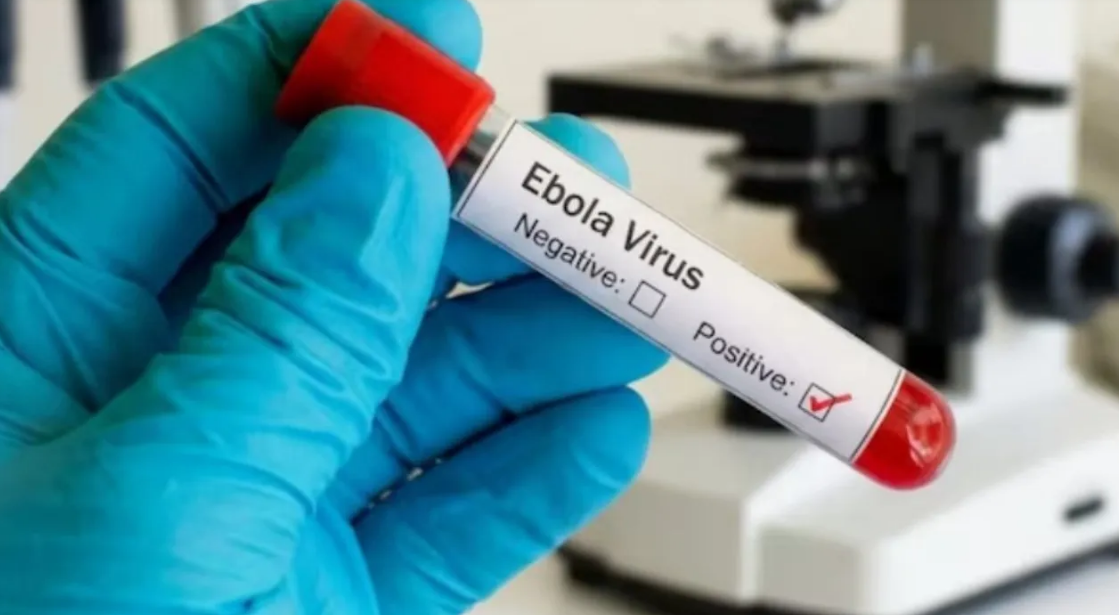
The rapid spread of the Ebola virus in Democratic Republic of the Congo has triggered global concern, with health authorities closely monitoring the evolving situation. According to reports, at least 118 people have died due to the outbreak, while more than 390 suspected cases remain under surveillance. The possibility of the virus spreading through international travel has increased vigilance worldwide, especially after an American doctor reportedly tested positive for Ebola.
The growing outbreak has also drawn attention in India, prompting discussions over the country’s preparedness. However, officials from the Union Health Ministry and AIIMS Bilaspur have clarified that no Ebola case has been reported in India so far. Experts stated that the current risk level for the country remains low and stressed that Ebola does not spread through air or water like COVID-19.
In response to the global alert, the Indian government has intensified preventive measures across the country. Agencies such as the National Centre for Disease Control (NCDC), the Integrated Disease Surveillance Programme (IDSP), and the Indian Council of Medical Research (ICMR) are continuously monitoring developments in affected African regions. Screening of passengers arriving from countries including Congo and Uganda has been strengthened at airports and seaports.
Authorities have also designated the National Institute of Virology (NIV) in Pune as the primary testing centre for Ebola, while additional laboratories are being prepared if required. Isolation wards and quarantine facilities have been kept ready at major hospitals and airports. The government has further reviewed standard operating procedures to ensure quick response mechanisms in the event of any suspected case entering the country.
Health experts explained that Ebola spreads only through direct contact with the bodily fluids of infected individuals or contaminated objects, not through casual contact or airborne transmission. Common symptoms include high fever, fatigue, muscle pain, vomiting, diarrhea, and, in severe cases, internal or external bleeding. Officials have urged the public not to panic or believe rumors on social media and advised people to rely only on official information released by the Health Ministry or the World Health Organization (WHO).