





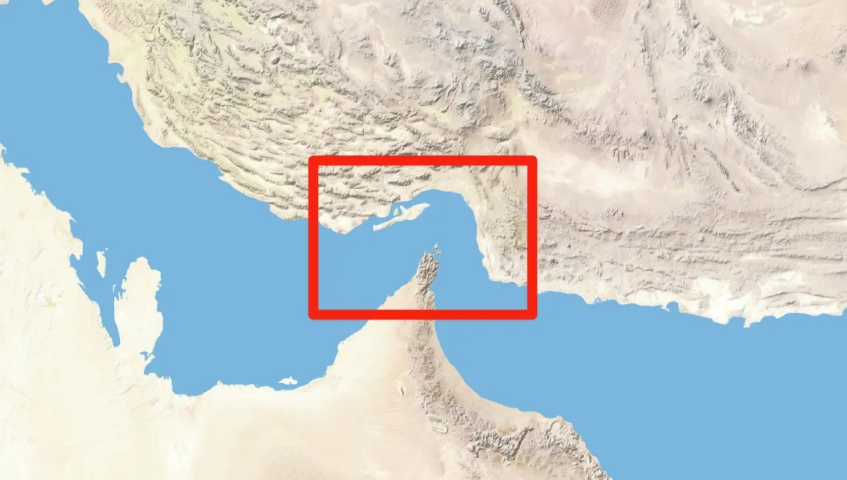
Amid rising tensions in West Asia and the escalating Iran–Israel conflict, attacks involving Israel, the United States and Iran have begun affecting global energy supply routes. Iran has reportedly targeted Gulf oil infrastructure and shipping, disrupting crude supply from the region. At the same time, Tehran has imposed restrictions on vessels passing through the strategic Strait of Hormuz, a key global oil transit corridor, leaving several ships stranded in the region.
Iranian authorities have stated that ships belonging to the United States and Israel will not be allowed to pass through the Strait of Hormuz. However, they clarified that international vessels would be allowed to use the route, except for ships linked to what Tehran describes as hostile nations. Iran said the restrictions were imposed in response to continued Israeli military actions in West Asia with U.S. support. Iranian officials have also warned that the country reserves the right to completely close the strait if its national interests are threatened.
Amid the tense situation, two major Liquefied Petroleum Gas carriers transporting cooking gas to India have reportedly crossed the Strait of Hormuz safely after being delayed due to the conflict. The vessels—Sigma Gas and Epic Bermuda—are carrying LPG from the Persian Gulf to the Indian coast. Their safe passage is considered significant as the region currently faces risks such as drone attacks and potential ship hijackings.
The Strait of Hormuz, located between Iran and Oman, is one of the world’s most crucial energy shipping routes, with nearly 20–30 percent of global oil and gas trade passing through it. Any disruption in this narrow waterway could trigger sharp increases in global fuel prices. Due to persistent threats in the region, including attacks by the Houthi movement, the Indian Navy and other naval forces continue to maintain deployments in nearby waters to ensure the safety of commercial and energy transport vessels.