





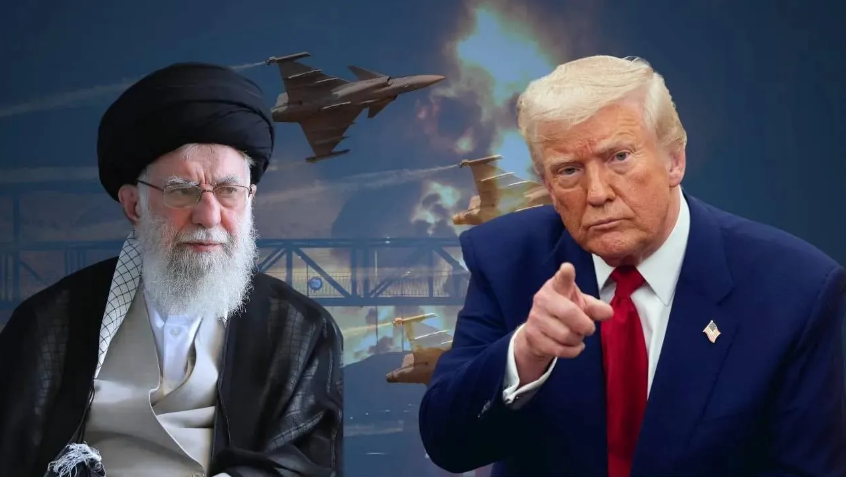
The ongoing conflict between Iran, Israel, and the United States is generating global concern. Despite the war beginning on February 28, it has continued for over two weeks without resolution. While President Trump has claimed Iran has been “destroyed,” conditions on the ground remain markedly different, and U.S.-led forces have struggled to achieve decisive success.
A key factor is Iran’s strategic closure of the Strait of Hormuz, one of the world’s most critical oil shipping routes, handling roughly 20% of global supply. The shutdown has caused international oil prices to surge, increasing economic pressure in the U.S. and heightening the risk of international backlash.
The conflict has largely relied on airstrikes by the U.S. and Israel, without deploying ground forces. Drawing from experiences in Iraq and Afghanistan, the U.S. has avoided a direct ground campaign, leaving operations incomplete. Meanwhile, Iran’s military and guerrilla networks, reinforced under Ali Khamenei, remain well-prepared for a prolonged war, making rapid victory unlikely.
Iran has also carried out effective counterattacks using drones and ballistic missiles, targeting U.S. warships and oil tankers in the Persian Gulf. Domestic criticism of Trump has grown due to rising oil prices and civilian casualties, while U.S. and Israeli objectives have diverged: Israel seeks to permanently weaken Iran’s military, whereas the U.S. prefers a swift negotiated resolution. Early hopes that leadership transitions in Iran would destabilize the regime have also proved unfounded, as Mojtaba Khamenei quickly assumed control.