





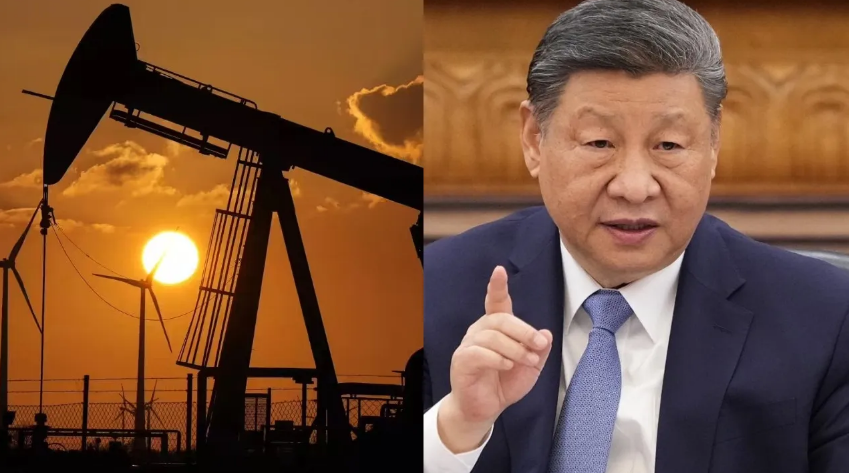
Rising tensions in West Asia have pushed global oil prices sharply higher, alarming economies worldwide. Prices, which were expected to reach $100 per barrel last week, quickly surged to $110, marking a 56% increase over the past month. Despite the spike, China, the world’s largest oil importer, has remained notably silent. Experts attribute this to the country’s strong energy strategy and reserves.
China has built substantial oil reserves during periods of lower prices, currently holding around 900 million barrels—enough to cover import needs for 90 to 120 days. In contrast, countries like India maintain reserves sufficient for only 45 to 50 days. This stockpile allows China to absorb global price fluctuations without immediate economic impact.
China continues to import large volumes of oil at discounted rates from allied countries, Russia and Iran, largely bypassing international market pricing. By securing oil at lower costs, China minimizes the economic burden of rising global prices, ensuring steady supply despite geopolitical tensions.
The country also maintains long-term supply agreements with Middle Eastern nations such as Saudi Arabia and the UAE, reducing exposure to market volatility. Additionally, China has invested heavily in coal, natural gas, nuclear power, and green energy, creating a diversified energy portfolio that shields its economy from oil price shocks.
U.S. President Donald Trump is expected to visit China later this month, potentially signing a major deal involving nearly 500 aircraft. Ahead of this diplomatic visit, China appears to prioritize negotiations over reacting to the rising oil prices. With imports recently increasing to 12–13 million barrels per day, the country’s robust reserves and diversified energy strategy provide a strong buffer against global oil market fluctuations.