



The reported death of Iran’s Supreme Leader, Ayatollah Ali Khamenei, has triggered intense speculation over his successor, making the issue a focal point of global attention. With no officially designated heir during his lifetime, the question of who will assume the most powerful office in the Islamic Republic has gained urgency amid escalating regional tensions and internal uncertainty.
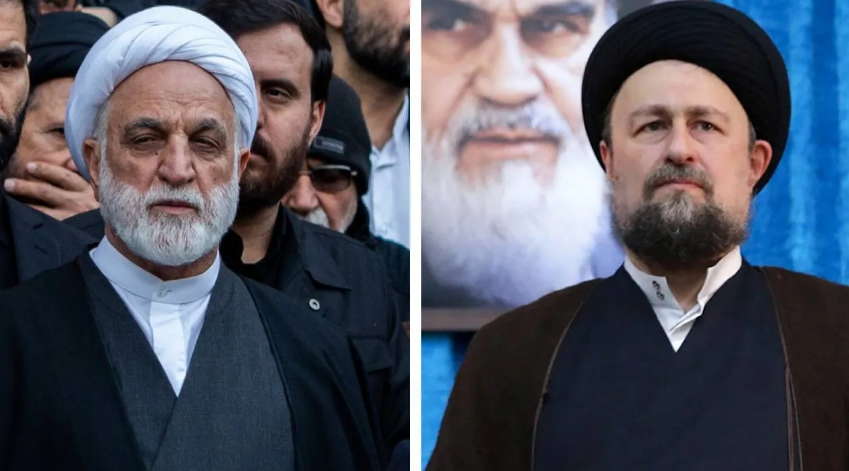
Among the prominent names being discussed is Mojtaba Khamenei, the late leader’s son, who is widely regarded as a trusted insider and influential figure operating behind the scenes of Iran’s political establishment. However, analysts note that a perceived hereditary transfer of power could face resistance within sections of Iranian society. Another key contender is Hassan Khomeini, grandson of Islamic Republic founder Ayatollah Ruhollah Khomeini, who is believed to command respect among segments of the clerical community.
Under Iran’s Constitution, the authority to appoint the next Supreme Leader rests with the Assembly of Experts, an 88-member body of senior clerics entrusted with selecting the country’s highest authority. While the decision is formally religious and constitutional in nature, the role of the Islamic Revolutionary Guard Corps (IRGC) is expected to be pivotal. Reports that IRGC Commander Mohammad Pakpour was killed in the recent strikes may further complicate the evolving power dynamics within the military establishment.
Uncertainty also surrounds the position of President Masoud Pezeshkian, amid reports that his residences were targeted during the attacks. According to Iranian law, only a qualified Islamic jurist can assume the post of Supreme Leader. However, with the nation confronting instability and external conflict, observers suggest that military and security institutions may exert significant influence over the transition. The coming days are expected to be decisive in shaping Iran’s political trajectory.