





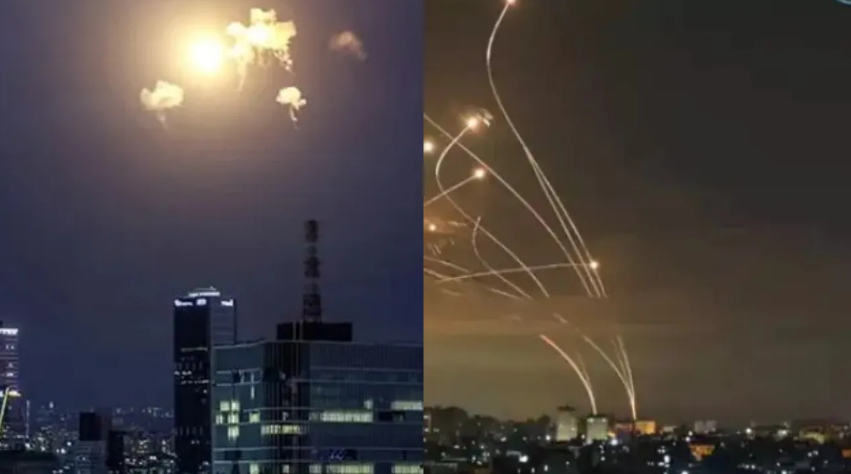
Recent developments in West Asia have attracted global attention, with the United Arab Emirates reportedly enhancing its defence preparedness by acquiring Israel’s advanced Iron Dome. The system is designed to intercept incoming missiles and drones, and is seen as a critical addition amid rising threats from Iran. Israel, which is typically cautious about sharing its defence technology, appears to have made an exception given the evolving security situation and its strategic ties with the UAE.
In the initial phase of the conflict, the UAE relied on its existing air defence systems to counter Iranian attacks. However, some missiles reportedly breached these defences and struck key infrastructure targets, exposing gaps in its security network. This prompted the UAE leadership to urgently seek support from allied nations to strengthen its aerial defence capabilities.
As part of this effort, UAE President Mohamed bin Zayed Al Nahyan held direct talks with Israeli Prime Minister Benjamin Netanyahu to discuss defence cooperation. These discussions reportedly resulted in the deployment of the Iron Dome system in Abu Dhabi, marking a significant milestone in bilateral military collaboration.
According to international media reports, Israel has not only supplied the system but also deployed personnel from the Israel Defense Forces (IDF) to assist in its operation. Since its deployment, the intensity of missile and drone attacks targeting Abu Dhabi and nearby regions has reportedly decreased, with several incoming threats intercepted mid-air.
Officials in Abu Dhabi have indicated that the country has faced threats from hundreds of ballistic missiles and thousands of drones originating from Iran. The successful deployment of the Iron Dome is being viewed as a strategic achievement, underscoring deepening military, political, and diplomatic ties between Israel and the UAE, while also reflecting shifting geopolitical dynamics in West Asia.