





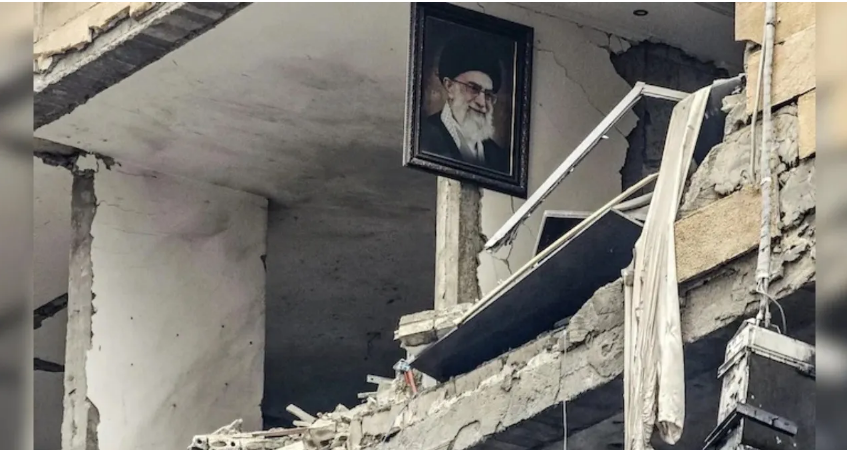
The delay in conducting the funeral of Iran’s former Supreme Leader Ayatollah Ali Khamenei has sparked global attention, with nearly seven weeks passing since his reported death. Despite around 50 days having elapsed, no official burial ceremony has been held, raising serious questions over Iran’s internal stability and political situation.
Reports suggest that Ayatollah Ali Khamenei, who was 86 years old, is believed to have died following a joint airstrike on Tehran carried out by the United States and Israel on February 28, 2026. Since his death, his son Mojtaba Khamenei is reportedly overseeing the country’s leadership structure, though his position remains largely behind the scenes.
Defence and security analysts argue that the Iranian leadership is facing a state of internal paralysis. Experts, including those from the Foundation for Defense of Democracies, believe that the government is avoiding a large-scale public funeral due to fears of mass gatherings, potential unrest, and the possibility of renewed Israeli strikes during such an event.
The situation has been further complicated by heightened regional tensions and repeated Israeli military actions, which have reportedly weakened Iran’s defence capabilities. Authorities are also said to have imposed extended internet restrictions over the past weeks, allegedly to control information flow and prevent public mobilisation or protests during this sensitive period.
Meanwhile, reports indicate that Iran may consider holding the funeral in Mashhad, the hometown of Khamenei, as a security precaution due to its distance from sensitive border and conflict zones. The prolonged delay, combined with ongoing geopolitical tensions involving the United States and Israel, has intensified speculation over Iran’s political stability and future direction.