





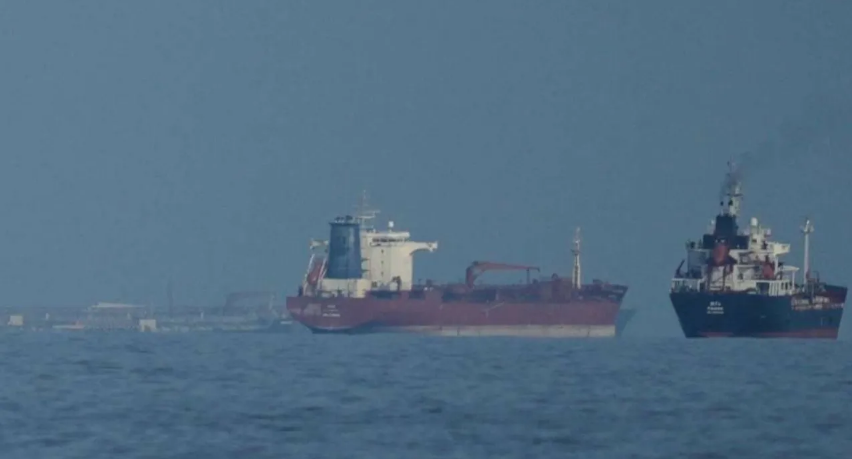
Tensions in the Middle East continue to escalate, raising serious concerns over global energy security. Iran’s reported move to close the Strait of Hormuz—a critical artery for global oil transportation—has disrupted maritime traffic. Attacks on vessels passing through the route have caused significant interruptions, triggering oil and gas shortages in several countries.
Amid the growing crisis, the United Kingdom, France, Germany, Italy, the Netherlands, and Japan issued a joint statement, expressing readiness to ensure safe navigation through the Strait of Hormuz. The countries strongly condemned Iran’s recent drone and explosive attacks in the region. The disruption has led to hundreds of commercial vessels being stranded, intensifying fuel shortages in countries including India.
Further concerns have emerged following attacks on oil and gas infrastructure in Saudi Arabia and Qatar. The strikes have impacted production, with QatarEnergy’s LNG export capacity reportedly declining by 17 percent. This has resulted in an estimated annual revenue loss of nearly $20 billion (around ₹1.6 lakh crore), adding pressure on already volatile energy markets.
In response, the affected nations have pledged coordinated action to stabilize global energy supplies. Plans include increasing oil and gas production in collaboration with other producers and strengthening security along key maritime routes. The countries also called on Iran to immediately halt attacks on civilian infrastructure and take steps to preserve regional stability.