





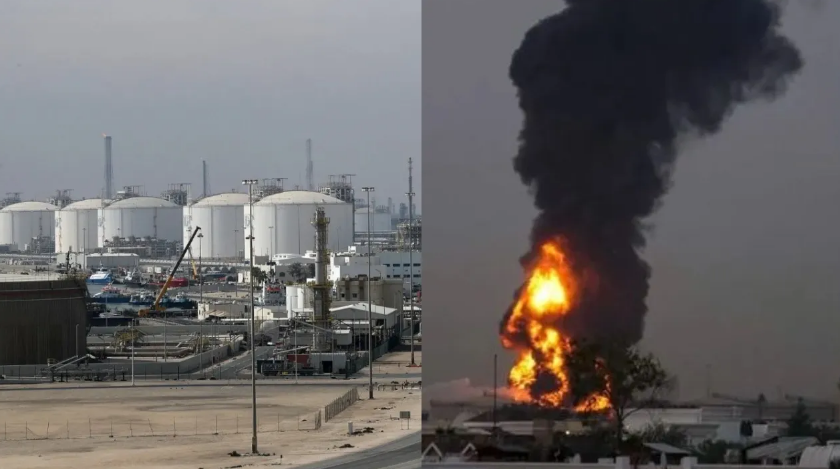
Ras Laffan, a key global hub for liquefied natural gas (LNG), has come into sharp focus following recent missile attacks by Iran, triggering volatility in international energy markets. Located about 80 km from Doha along the Arabian coast, the city has evolved over the past two decades into a critical center for LNG production and exports, supplying energy to major markets across Asia and Europe.
The city’s rise is closely linked to Qatar’s discovery of the massive North Field gas reserves in 1971, shared with Iran, where it is known as South Pars. Recognizing the economic potential early on, Qatar invested in processing natural gas into LNG rather than exporting raw gas, building extensive infrastructure including LNG trains, storage facilities, and export terminals at Ras Laffan. Today, the hub produces around 77 million tonnes of LNG annually, making it one of the largest such facilities in the world.
Ras Laffan currently supplies gas to over 30 countries, including India, Japan, South Korea, China, and the European Union, accounting for nearly 20% of global LNG supply. Its strategic location and large-scale infrastructure allow it to handle some of the world’s largest LNG carriers, reinforcing its importance in the global energy network.
For India, Qatari LNG remains a vital energy source, meeting a significant share of its import requirements via the Strait of Hormuz. However, the recent attacks have forced a temporary halt in production at Ras Laffan, raising concerns about supply disruptions and a possible LNG shortage. The development has heightened worries over energy security, with potential implications for power generation, industrial output, and fuel prices.