





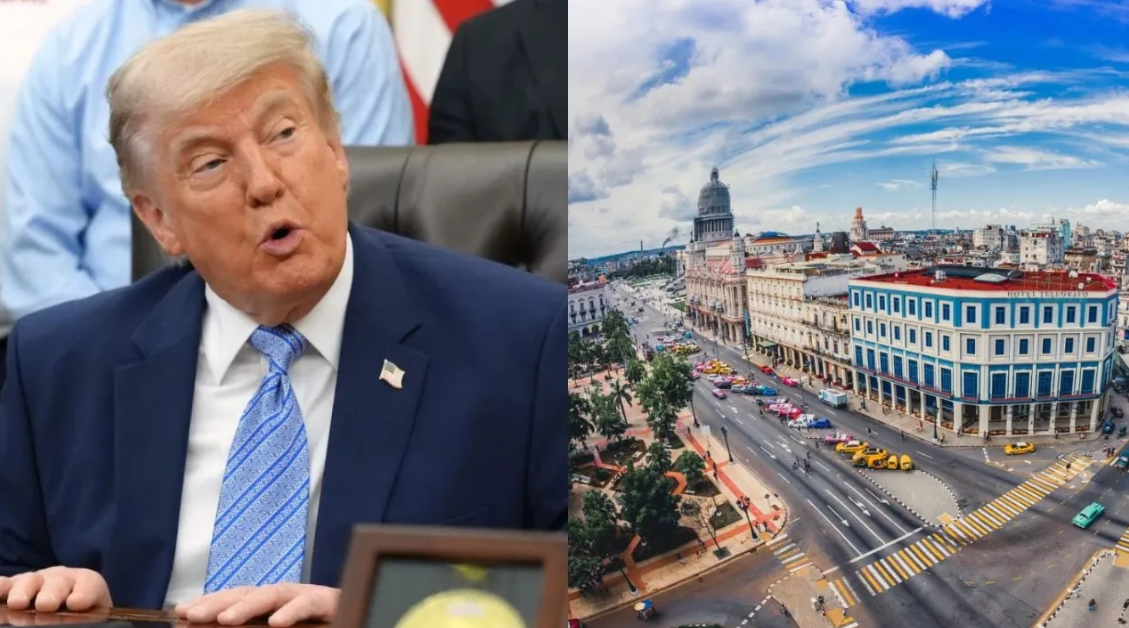
Amid the continuing instability in West Asia, fresh speculation has emerged over whether US President Donald Trump is reassessing his foreign policy priorities. International developments indicate that the Trump administration may be gradually shifting its strategic focus away from Iran and toward Cuba, which has remained a longstanding geopolitical rival of the United States.
Despite intensified pressure on Iran and escalating military tensions in recent months, Tehran has reportedly shown little indication of yielding to American demands. Reports suggesting the killing of Iranian Supreme Leader Ali Khamenei and continued US military operations have failed to significantly weaken Iran’s stance, prompting discussions within diplomatic and strategic circles about Washington’s next course of action.
On May 20, observed as Cuba’s Independence Day, the United States reportedly adopted a more aggressive posture toward Havana. Former Cuban President Raúl Castro was described by the US Justice Department as a “criminal responsible for killing Americans,” according to reports. At the same time, the US military allegedly deployed three advanced warships near Cuban territory, signalling heightened military preparedness in the region.
Trump further intensified speculation with strong remarks directed at Cuba. The US President reportedly stated that previous American administrations had failed to act decisively on Cuba, while asserting that he alone had the capability to bring meaningful change in the country. The comments have triggered debate among foreign policy analysts regarding Washington’s evolving priorities in the Western Hemisphere.
According to a report published by Politico, US defence officials are believed to be preparing contingency plans for possible military action against Cuba. The report claimed that discussions are underway regarding the arrest of key Cuban leaders and potential efforts aimed at regime change, similar to previous American strategies targeting Venezuelan President Nicolás Maduro. Sources also suggested that the US military has been informally advised to remain prepared for possible ground operations if necessary.
Meanwhile, tensions are also said to be growing between Trump and Israeli Prime Minister Benjamin Netanyahu over the handling of Iran. While Trump is reportedly favouring diplomatic engagement with Tehran to reduce regional tensions, Netanyahu is believed to support continuing military pressure. A report by Axios claimed that a recent phone conversation between the two leaders became heated over differences in strategy. Analysts believe these disagreements, combined with Iran’s continued resistance, may be contributing to Washington’s shifting geopolitical focus.