





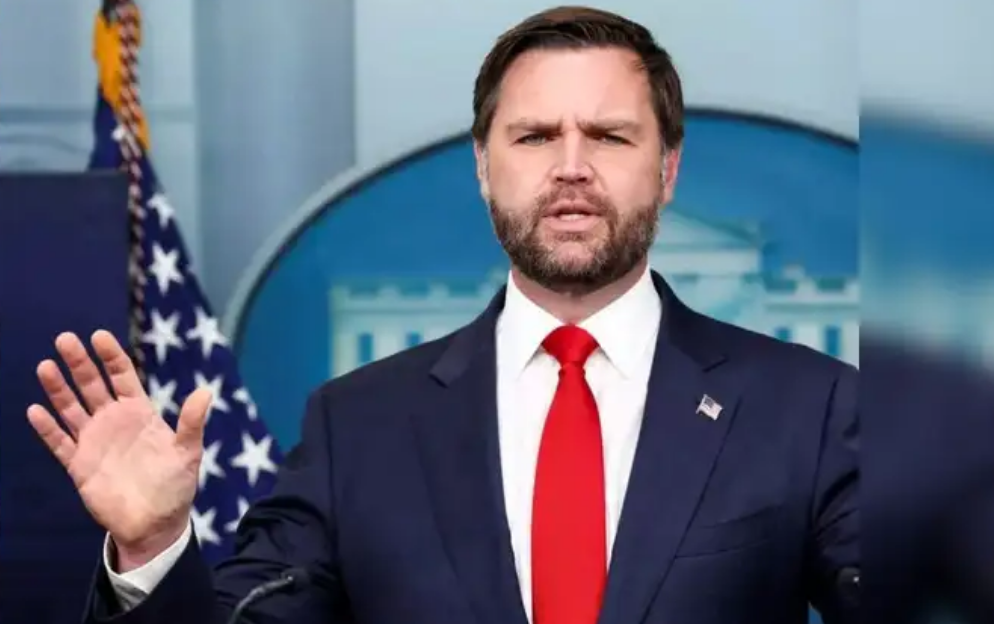
United States Vice President JD Vance announced on Tuesday that Washington and Tehran have reached a preliminary peace framework aimed at ending the prolonged conflict in West Asia. Describing the agreement as a strong foundation for resolving long-standing hostilities, Vance emphasized that the deal would carry significant economic benefits for the American people, marking a pivotal moment in US-Iran relations after years of diplomatic deadlock.
Central to the preliminary accord is a trade-for-relief arrangement under which Iran has agreed to purchase American soybeans, corn, and wheat, while the United States, in return, will release Iranian assets that have been frozen in overseas accounts. Vance further confirmed that UN nuclear inspectors are expected to visit Iran shortly to verify Tehran’s compliance with the terms of the agreement. He also noted that American officials are engaged in continuous discussions with both Iranian and Israeli leadership to ensure coordinated management of sensitive border matters involving Lebanon.
On the security front, Vance offered reassurance to global markets by confirming that the Strait of Hormuz — a vital corridor for international maritime trade — remains fully open, with shipping traffic proceeding without any disruption. The update was closely watched by energy markets worldwide, given the strait’s strategic importance to global oil supply chains.
Iran, for its part, formally acknowledged Pakistan’s diplomatic mediation as the decisive factor behind the breakthrough, stating that without Islamabad’s proactive intervention, the negotiations would have stalled and the risk of renewed regional conflict would have remained high. Iranian officials further disclosed that both sides are now engaged in intensive talks aimed at finalizing a comprehensive, full-scale agreement within the next 60 days.