





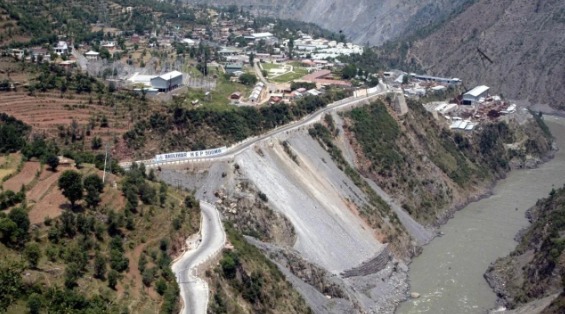
In a strategic move following the Pahalgam terror attack and suspension of the Indus Waters Treaty, India has approved the Dulhasti Stage 2 hydroelectric project on the Chenab River. The Central Ministry of Environment’s expert committee has granted environmental clearance for the project, which is expected to generate 260 MW of electricity and is being developed by government-owned NHPC Limited at an estimated cost of ₹3,277.45 crore. The project will utilize existing infrastructure from the Dulhasti Stage 1 project, commissioned in 2007 with a capacity of 390 MW, while water will be sourced from the Marusudar River via the Pakal Dul project.
Under the 1960 Indus Waters Treaty, the Chenab River flows into Pakistan, giving it certain water rights. India’s plan to build a new hydroelectric project is expected to raise concerns in Pakistan. The government has fast-tracked multiple projects in the Chenab basin, including Sawalkot, Ratle, Bursar, Pakal Dul, Kwar, and Kiru 1 & 2. Existing major projects include Dulhasti 1 (390 MW), Baglihar (890 MW), and Salal (690 MW), with Ratle (850 MW), Kiru (624 MW), and Kwar (540 MW) under construction.
Dulhasti Stage 2 will require 60.3 hectares of land, including 8.26 hectares of private land from 62 families in Banjwar and Palmar villages in Kishtwar district, with compensation and rehabilitation measures in place. Experts note that the construction of another hydroelectric project on the Chenab River is likely to generate diplomatic and security concerns in Pakistan.