





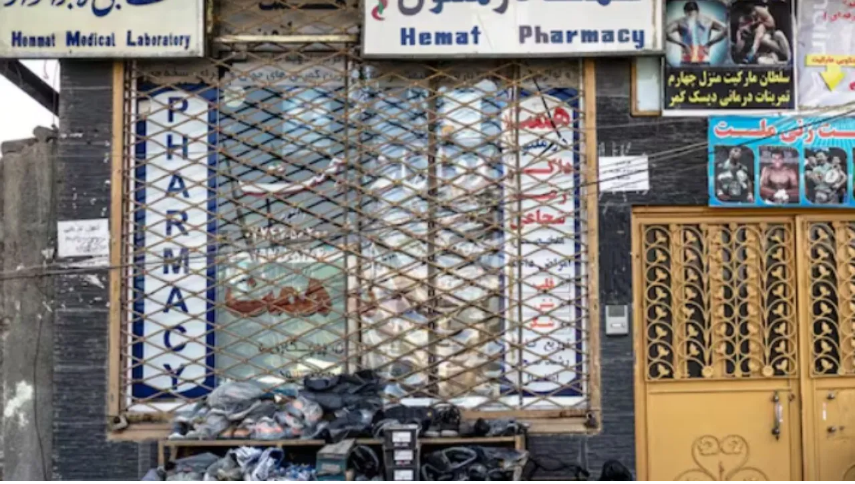
Kabul: Widening tensions between Pakistan and Afghanistan have led to a significant shift in trade policy, with Kabul imposing a ban on the import of medicines from Pakistan and opting to source pharmaceutical supplies from India. The decision comes amid repeated border clashes and growing concerns over the quality and pricing of Pakistani medicines.
The move follows a viral social media incident in which an Afghan citizen was advised by a pharmacist to purchase Indian-made paracetamol instead of Pakistani tablets, citing lower prices and better quality. The episode sparked widespread debate and reportedly drew the attention of the Taliban leadership, accelerating policy discussions in Kabul.
Afghanistan’s Taliban-led administration has long raised concerns over the quality of pharmaceuticals imported from Pakistan. Deputy Prime Minister Abdul Ghani Baradar had earlier urged traders to explore alternative suppliers, paving the way for increased imports from India. As a result, Afghan authorities decided to halt pharmaceutical trade with Pakistan and deepen cooperation with Indian suppliers.
India has emerged as a key partner in Afghanistan’s healthcare sector. During the 2024–25 financial year, New Delhi supplied medicines worth $108 million to Kabul, with exports expected to exceed $100 million during the remainder of 2025. India has also dispatched 73 tonnes of medical aid to Afghanistan at a critical time.
Afghanistan remains heavily dependent on imported medicines, with 85–96% of its pharmaceutical requirements sourced from abroad. According to UN COMTRADE data, Pakistan exported medicines worth $186.69 million to Afghanistan in 2024, accounting for over 70% of the country’s medical supplies until late 2025. However, repeated border closures at key crossings such as Torkham and Chaman disrupted supplies and contributed to severe shortages.
Strengthening the shift, Indian pharmaceutical major Zydus Lifesciences signed a $100 million memorandum of understanding with Afghanistan-based Rofe’s International Group in November 2025 in Dubai, aimed at ensuring the supply of affordable medicines. With India offering cost-effective and reliable alternatives, Afghanistan has effectively ended its long-standing pharmaceutical trade with Pakistan, signaling a major realignment in regional trade and healthcare cooperation.