





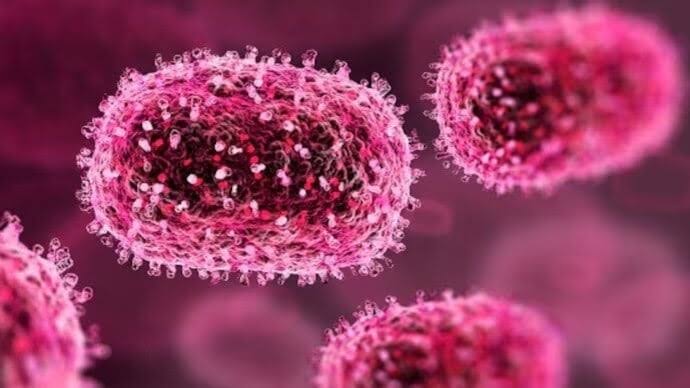
The Chandipura virus is currently causing serious concern in Gujarat, having already claimed the lives of 22 children in the state. In response, the Gujarat government has declared a high alert and shifted immediate focus to child health, given that the virus predominantly affects children under the age of 15.
Although the name may sound unfamiliar, the virus has a long history in India. It was first identified by scientists in 1965 in a village called Chandipura in Maharashtra’s Nagpur district, after which it was named. The virus resurfaced with severe intensity in Andhra Pradesh, Gujarat and Maharashtra during 2003, 2004 and 2006, claiming the lives of hundreds of children on those occasions.
The Chandipura virus does not spread through direct human contact but is transmitted primarily through insects. In rural areas, it spreads rapidly through the bite of sandflies, which commonly breed in cracks in mud walls and in cattle sheds. It can also spread through certain species of mosquitoes and black flies. During the monsoon season, increased humidity leads to a rise in the population of these insects, further intensifying the spread of the disease.
Children under 15 years of age are particularly vulnerable to this fast-spreading and highly dangerous virus due to their comparatively weaker immunity. Once it enters the body, the virus directly attacks the central nervous system and the brain, leading to brain swelling. The fatality rate among those infected ranges between 50% and 70%, and in the absence of timely medical intervention, organ failure can result in death within just 24 to 48 hours. Infected children typically develop sudden high fever, followed by repeated vomiting, severe headache, body aches and diarrhoea; as the condition worsens, symptoms such as unconsciousness or seizures may also appear.
At present, no specific vaccine or dedicated antiviral medication is available to prevent the Chandipura virus. Treatment is symptomatic, with doctors admitting affected children to intensive care units and providing oxygen or ventilator support, along with fluids to prevent dehydration, as the primary means of saving lives. Health authorities have urged precautionary measures, including maintaining clean surroundings, sealing cracks in mud walls, regularly spraying malathion powder or insecticides near cattle sheds in villages, dressing children in clothing that covers the body, and using mosquito nets and repellents at night to prevent insect bites.