





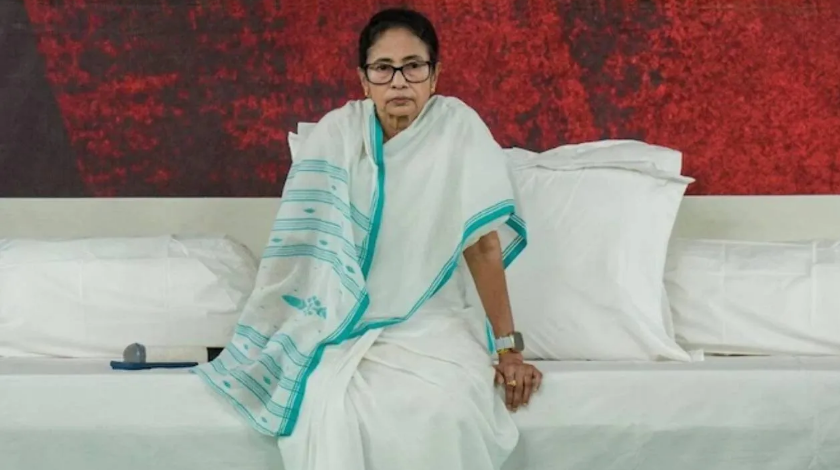
Kolkata: West Bengal’s political landscape has been thrown into turmoil following reports of a major rebellion within the ruling All India Trinamool Congress (TMC). In a dramatic development, 58 party MLAs have reportedly revolted against the leadership of Chief Minister Mamata Banerjee, raising the possibility of a significant split within the party.
According to political sources, the rebel legislators met Assembly Speaker Ratindranath Bose and submitted a letter claiming majority support within the legislative party. The move has intensified concerns over the future of the TMC, which has dominated West Bengal politics under Banerjee’s leadership for more than a decade.
The reported rebellion is being viewed as one of the most serious internal challenges faced by the ruling party since it came to power in 2011. With several senior leaders and elected representatives allegedly expressing dissatisfaction, the crisis has triggered intense political speculation across the state.
Amid the growing unrest, Banerjee is understood to have launched a series of damage-control measures aimed at restoring unity within the party. Political observers suggest that concerns over the increasing influence of her nephew and senior TMC leader Abhishek Banerjee have emerged as a key factor behind the internal discontent. Reports indicate that efforts are being made to address these concerns and prevent further defections.
The controversy has also drawn attention to the position of Yusuf Pathan, who was elected to the Lok Sabha on a TMC ticket. Reports of internal discussions regarding his political future have added another layer of uncertainty to the unfolding crisis.
The numerical strength claimed by the rebel camp has sparked debate over the applicability of India’s anti-defection provisions. Political analysts note that if the dissident group can demonstrate overwhelming legislative support, it could significantly impact the party’s organizational and political standing.
Meanwhile, allegations have surfaced that the rebellion may have been influenced by broader political strategies aimed at weakening the state’s ruling party. Analysts have drawn parallels with political developments in Maharashtra, where major regional parties witnessed high-profile splits in recent years.
For Banerjee, who ended decades of Left Front rule and established herself as one of India’s most influential regional leaders, the current crisis represents a crucial test of her political authority. Reports suggest that the party leadership is reviewing its organizational structure and exploring all available options to contain the rebellion.
As the situation continues to evolve, attention will remain focused on whether the TMC leadership can prevent further fragmentation and maintain control over both the party and its electoral symbol in the face of mounting internal pressure.