





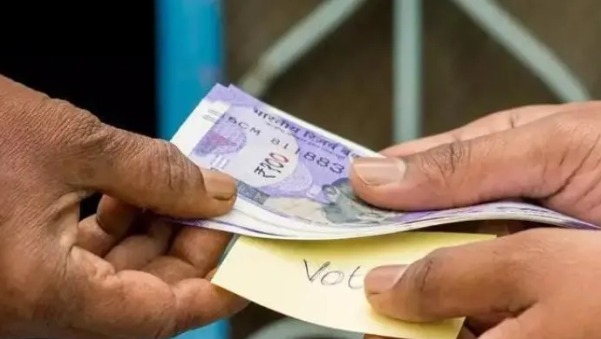
The ongoing Telangana Panchayat Elections have sparked a heated debate as reports of vote-buying continue to surface. In multiple regions, candidates are allegedly distributing significant sums of money, ranging from Rs1,000 to Rs 20,000 per vote, to influence the electorate. The first phase of polling, which began recently, saw candidates from various villages in the state attempting to secure votes by making financial offers, especially in highly contested areas. In Narkud village in Shamshabad, reports suggest that candidates running for the Sarpanch position are offering sums of Rs 15,000 to Rs 20,000 per vote. This practice has gained significant attention on social media, with many expressing concern over the integrity of the elections.
In addition to money, candidates have been distributing other goods such as liquor, chicken, and even clothing to voters. In some cases, it has been reported that voters have received as much as a full bottle of liquor, with candidates allegedly offering chicken to certain households and women’s clothing like sarees and dupattas. In regions with more affluent populations, such as those surrounding Hyderabad’s real estate hubs, the extent of money distribution has escalated, with claims that some candidates are willing to spend millions to secure their positions.
The impact of money in these elections is not confined solely to vote-buying; several reports point to the growing trend of candidates purchasing political positions themselves. In Siddapur village in Nizamabad, it has been widely reported that a candidate secured the Sarpanch position for Rs 52 lakh, with other candidates buying the position of Deputy Sarpanch for Rs 15 lakh. Similarly, in Lakshmapur of Chandur mandal, claims of Rs 45 lakh spent for the Sarpanch position are also making rounds. Such exorbitant amounts for a single political post have raised eyebrows, with many questioning the motives behind these large expenditures.
While these incidents have caused public uproar, some candidates are reportedly offering promises of infrastructural improvements, including building temples or creating community centers. In villages like Gajwel in Siddipet district, candidates have been known to pledge land for constructing Panchayat Bhavans (village council offices) and Anganwadi centers. Such promises appear to be part of a broader strategy where candidates use both monetary incentives and development schemes to garner support.
In addition to vote-buying, allegations of extensive liquor distribution have come to light, with several areas, including Nalgonda and Khammam districts, seeing candidates offer alcohol bottles, with some even ensuring that voters receive a quarter or half bottle of liquor. In some of the villages in these regions, the practice has extended to sending alcohol to voters’ homes, further emphasizing the role of money and influence in securing votes.
Authorities have been actively monitoring these practices, with several instances of cash seizures being reported. In Gajwel, police apprehended a candidate’s associates who were transporting Rs 2.25 lakh in cash, which was suspected to be used for vote-buying. In Warangal, the police recovered Rs 6.04 lakh in cash and alcohol worth Rs 10.69 lakh from one such operation. While the widespread allegations of vote-buying and distribution continue to fuel controversies, the growing influence of money in the Panchayat elections in Telangana raises important questions about the future of democratic practices in the state. As the election progresses into the second and third phases, concerns over electoral integrity remain high.