





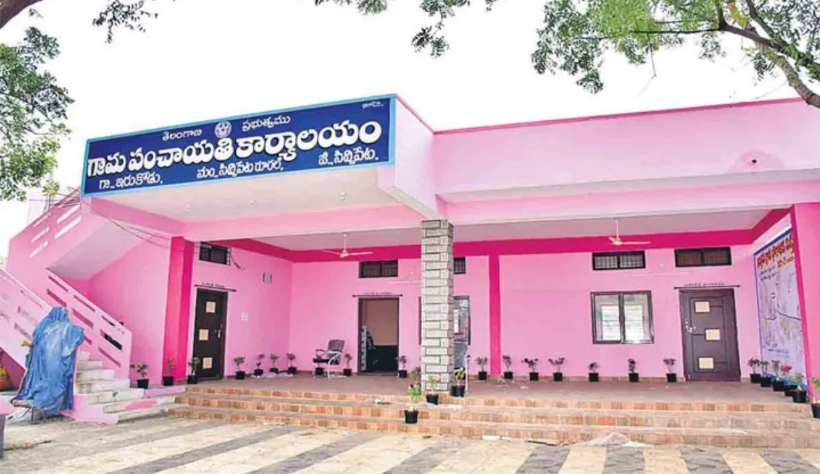
Hyderabad: The Gram Panchayat elections in Telangana have concluded, paving the way for newly elected village administrations across the state. With the completion of the electoral process, sarpanches took oath of office on Saturday, marking the beginning of a new term after nearly two years of interim administration.
Unlike previous elections, a significant number of young candidates contested the sarpanch posts, adding intensity to the polls. However, the new leadership faces an immediate challenge as villages are burdened with long-pending civic issues. The absence of Central funds for the past few years has resulted in deteriorating sanitation, unpaid electricity bills, and stalled development works.
Mounting Village-Level Issues
The previous elected panchayat bodies were in office from February 2, 2019, to February 1, 2024. During this period, several sarpanches reportedly spent from their own pockets on streetlight maintenance, drinking water borewell repairs, and CC road construction, despite irregular fund releases. With bills still pending, many former sarpanches are now facing financial distress.
In over half of the panchayats, garbage collection vehicles remain idle, disrupting sanitation services. Electricity dues for streetlights and water supply systems have accumulated, while panchayats are unable to ensure timely payment of sanitation workers’ wages. Neglect of crematoriums, village nature parks, drains, and internal roads has further compounded rural infrastructure problems.
Special Officer Rule Ends
Following the expiry of the previous panchayat term in February 2024, elections were delayed, reportedly leading to the suspension of Central funds. Panchayats were placed under Special Officer administration for 22 months, during which time panchayat secretaries managed day-to-day affairs, often under financial strain.
With the swearing-in of elected bodies, officials have reiterated that resolution of village-level issues hinges on the release of funds from both the Central and State governments, a point also highlighted by Chief Minister Revanth Reddy.
Roles and Responsibilities of Sarpanches
A sarpanch, considered the first citizen of the village, holds office for five years and presides over panchayat meetings and Gram Sabhas. The position carries a monthly honorarium of ₹6,500. Sarpanches are mandated to convene governing body meetings every two months and conduct Gram Sabhas twice a year, on October 2 and April 24.
Key responsibilities include oversight of panchayat administration, maintenance of records, mobilisation of revenue, utilisation of Central and State funds for village development, and ensuring transparent and corruption-free governance. The District Collector is empowered to remove a sarpanch in cases of proven misconduct or failure to conduct Gram Sabhas.
Emergency Powers and Deputy Sarpanch Role
Sarpanches are authorised to take urgent decisions during emergencies, including natural disasters. In the absence of the sarpanch, the Deputy Sarpanch assumes charge and presides over meetings. Under the 2018 Panchayat Raj Act, cheque-signing authority is jointly vested in the sarpanch and deputy sarpanch to ensure shared financial accountability.