




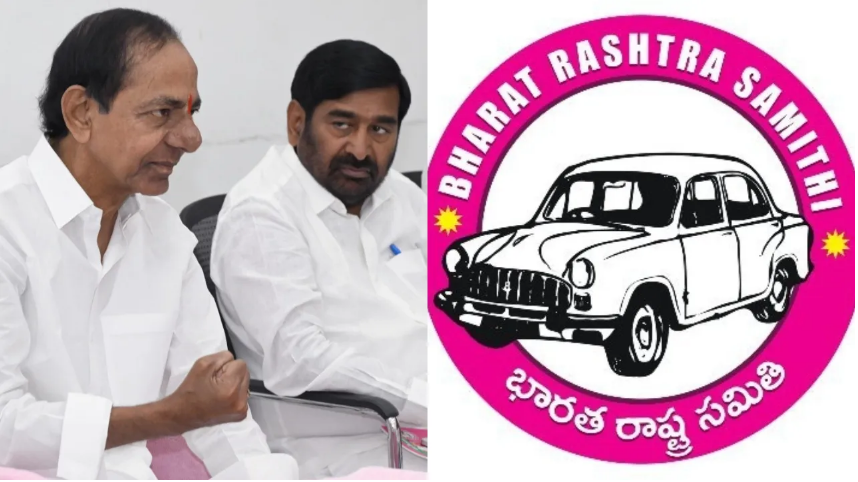
The Telangana Assembly’s winter session is set to begin on December 29, triggering intense political activity amid reports that BRS chief and former Chief Minister K. Chandrashekar Rao (KCR) may attend the proceedings. The possibility of KCR’s presence has heated up the political atmosphere, especially after he indicated that he is willing to participate if given an opportunity to make a PowerPoint presentation on Krishna river water-sharing issues. Attention is now focused on whether the ruling Congress government will agree to this demand.
KCR, who has largely stayed away from the Assembly for nearly a year, is expected to attend the session from the first day. He reportedly conveyed this decision during a meeting with senior BRS leaders at his Erravelli farmhouse. Sources said the former Chief Minister has prepared a clear strategy to corner the ruling party during the session and has advised BRS MLAs to remain tactically flexible, depending on the agenda finalised by the government.
According to party sources, KCR has directed his legislators to demand that the Assembly session be held for at least 15 days to enable comprehensive discussions on public issues. He has also asked them to exert pressure on the government over the Palamuru–Rangareddy Lift Irrigation Project, considered a crucial lifeline for South Telangana, and has expressed readiness to make a detailed presentation in the House if required.
KCR has accused both the Centre and the state government of causing injustice to Telangana, particularly in matters related to water allocations. He has reiterated that the Congress has consistently failed to safeguard the state’s interests, while asserting that the BRS alone can mount a credible fight on behalf of Telangana. After the Assembly session, KCR is expected to take the issue to the public, with plans for large meetings in the undivided Mahabubnagar and Nalgonda districts. Political observers believe the session is likely to turn into a Congress versus BRS showdown, with KCR’s return potentially reshaping the state’s political discourse.