





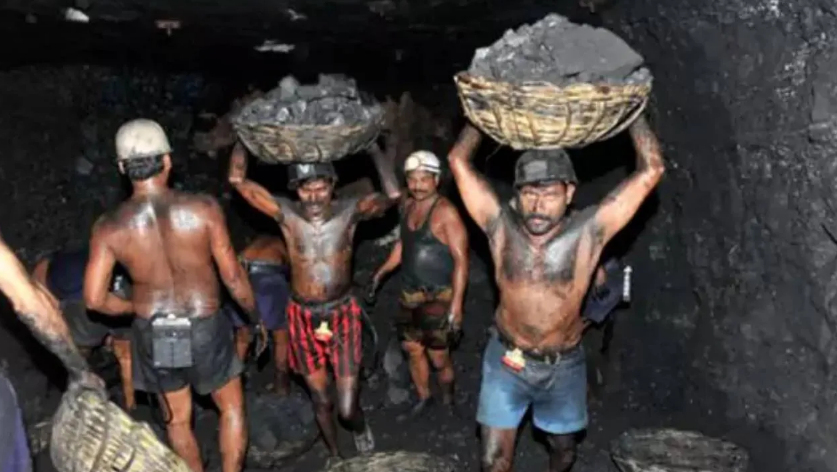
A new labor union is reportedly in the works at Singareni Collieries, Telangana’s largest public-sector enterprise. Unlike existing unions, the proposed organization intends to focus exclusively on protecting workers’ rights. Discussions are underway regarding the union’s structure, leadership, operational strategies, and modes of protest. If formed, the new union would operate independently, without political party affiliations.
Currently, Singareni has five recognized national unions—AITUC, INTUC, HMS, BMS, and CITU—along with several local labor groups such as TBGKS, GLBKS (IFTU), TNTUC, and multiple craft-based unions. The CPI-affiliated AITUC union remains the recognized representative union. However, critics allege that other unions have been largely inactive in addressing worker grievances and safeguarding rights, prompting the push for a new independent labor organization.
Kengarla Mallayya, who played a key role in establishing TBGKS and was a prominent figure in the Telangana movement, is reportedly spearheading the new union initiative. Mallayya previously contributed significantly to securing recognition for the existing union but had stepped back due to internal leadership disputes. He is now actively consulting with various labor leaders to finalize critical aspects of the new union, including its name, flag, governance structure, and operational guidelines.
Worker grievances in Singareni remain pressing. Reports indicate that labor rights are often overlooked, and issues such as reduced workforce, increased workload, unaddressed legacy employment, and administrative neglect—particularly regarding medical boards—remain unresolved. Problems also persist around mine renaming and the establishment of new mining projects, leaving workers increasingly dissatisfied with existing representation.
The new union is seen as a potential avenue to address these challenges. Mallayya and his team believe that workers will likely support an independent organization dedicated solely to their welfare. However, questions remain regarding the timing of the union’s official formation and whether it will attract widespread acceptance among the workforce.
Experts note that while the union’s independence could be a key factor in its success, clarity is needed on whether it will remain free of political influence. How workers respond to the initiative, and the extent to which the new union can address long-standing grievances, will determine its impact on labor relations in Singareni Collieries.