





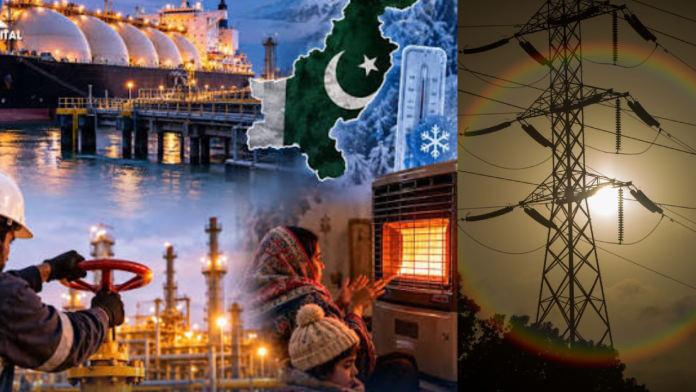
Pakistan is struggling with a worsening energy shortage as disruption to liquefied natural gas (LNG) shipments from Qatar cuts power generation and forces the country toward costly spot-market purchases ahead of winter.
Pakistan received only two Qatari LNG cargoes in October, against eight in the same month last year. Electricity generated from LNG fell 56% in September. K-Electric has warned that Karachi, the country’s commercial hub, could face power cuts during evening and night peak hours.
What went wrong
The crisis traces back to the Gulf conflict. Iran attacked Qatar’s Ras Laffan LNG facility on March 2, and QatarEnergy declared force majeure two days later. Uncertainty over shipping through the Strait of Hormuz has added to the problem. Pakistan sourced 99% of its LNG imports from Qatar last year under term contracts, which left it with little room to maneuver.
The shortfall has hit the import infrastructure directly. Engro’s LNG terminal was shut from September 26 for lack of vessels, and the Pakistan GasPort terminal has been idle since October 9 due to insufficient inventory.
Priced out of the market
Pakistan has not been able to make up the gap on the open market. Its last five spot tenders since late May drew almost no interest, as suppliers sold to European buyers willing to pay more. Spot LNG prices have risen to around $30 per million British thermal units.
Winter will add pressure. The chief executive of Pakistan LNG Limited has said the country must buy an additional 10 spot cargoes for delivery between November and February, at roughly double the price of Qatari supplies.
Government response
Authorities are running furnace-oil power plants at full capacity and have postponed maintenance at some nuclear plants. Officials are also using diplomatic channels with Qatar, Iran and the United States to help Qatari cargoes pass through the Strait of Hormuz. The petroleum ministry has asked Pakistan LNG Limited to explore alternative supplies from the United States, the Middle East and Azerbaijan.
Explainer: What is LNG?
LNG is natural gas cooled to about minus 162°C, at which point it becomes a liquid and shrinks to roughly one-600th of its original volume. That makes it practical to ship by sea in specialized tankers. At the destination, regasification terminals convert it back to gas for power plants, fertilizer factories, vehicles and household pipelines. The United States, Qatar and Australia are among the world’s largest exporters, though Qatar’s output is currently disrupted.