





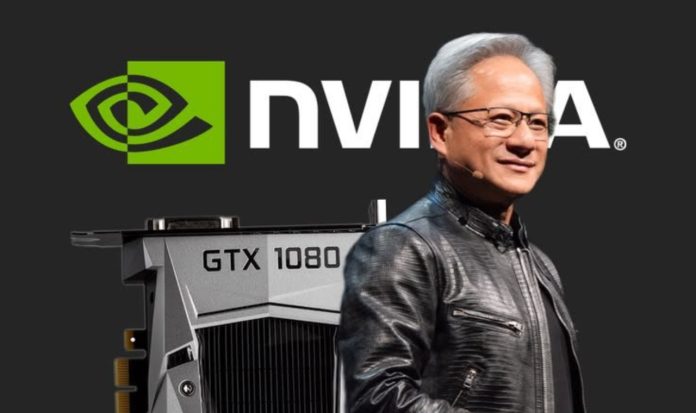
Nvidia, the chipmaker that dominates the global artificial intelligence sector, has made a dramatic decision. The company has directed its manufacturing partners to immediately suspend server supplies to four key Southeast Asian countries: Malaysia, Singapore, Thailand and Indonesia. Nvidia has cancelled orders that were due to be shipped to these nations. The move is understood to be a response to new US export restrictions aimed at preventing Chinese companies from gaining access to advanced AI computing power.
Companies such as Dell and Supermicro fit Nvidia’s powerful chips into servers and ship them to customers around the world. Those manufacturing partners have confirmed that Nvidia is not permitting servers to be sent to buyers in the four countries. The decision was taken as the company moves to comply with the new export control rules introduced by the US government. It is not yet clear whether the ban is temporary or will remain in place permanently.
Chinese companies have reportedly been using these four Southeast Asian countries as a back channel to develop their AI technology. The US has already barred the direct sale of advanced chips to China, and Chinese AI developers have devised a workaround: cloud computing firms in countries such as Malaysia and Singapore buy Nvidia servers and rent out the computing capacity to Chinese companies. The US Department of Commerce introduced the new rules to stop this practice.
The restrictions have tightened further in the wake of recent controversies and espionage allegations surrounding Nvidia CEO Jensen Huang. A woman linked to a cloud firm that provided access to Chinese companies came under investigation, after which Huang was temporarily removed from his post and later reinstated. Although many expected the rules to be relaxed once Huang returned, the company has continued to take a hard line.
The US has given cloud service providers 90 days to prove they have no sanctioned Chinese clients and to obtain licences. However, cloud companies are in serious confusion, as they do not know how to apply for these licences. Meanwhile, Nvidia earned a massive $104 billion in revenue in 2025 through its Singapore unit alone, and the restrictions could now cut into that income.
The decision has dealt a heavy blow to the data center business in Southeast Asia. AI infrastructure being built with billions of dollars in investment, particularly in Malaysia and Indonesia, is now at risk. Singapore-based Aolani had struck a deal to provide computing power to China’s ByteDance, the parent company of TikTok. Following the restrictions, bankers have withdrawn a $500 million loan meant for that project, and ByteDance is reportedly considering pulling out of the deal as well.