





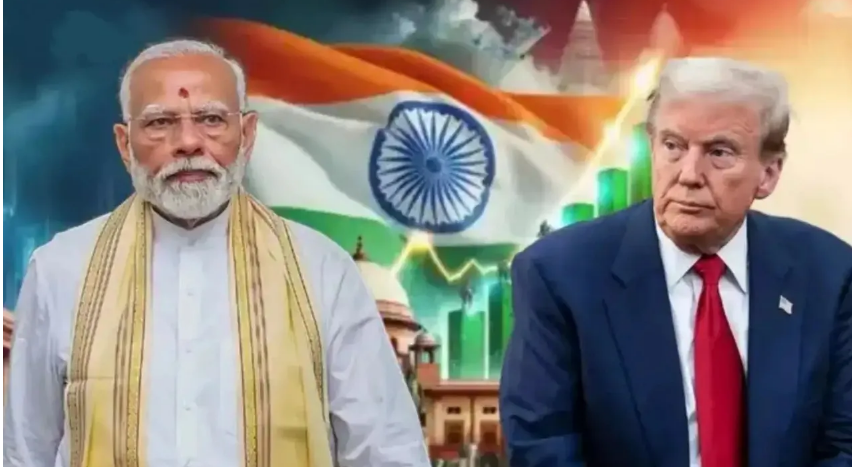
The United States conducts more joint military exercises with India than with any other country, according to a fact sheet released by the US government. The document highlights a year of deepening defense cooperation between the two nations across air, land and sea.
In October, India hosted the multinational air exercise “Tarang Shakti” at Jodhpur in Rajasthan. The US Air Force’s F-35 fifth-generation stealth fighter took part, which is reported to be the first time the aircraft has joined a military exercise on Indian soil. Over the past year, the two armies also held three large-scale “Yudh Abhyas” exercises, training for operations in mountain and desert terrain.
On the maritime front, the US Navy supply ship Wally Schirra recently docked at the privately owned Kattupalli shipyard near Chennai for repair and maintenance work. The visit points to India’s growing role as a servicing hub for US vessels in the Indian Ocean, which would spare them long voyages to the United States or Singapore for repairs. Separately, the Quad grouping of India, the US, Japan and Australia is set to begin joint monitoring of commercial shipping from next year, as part of efforts to bolster maritime security in the Indo-Pacific.
On defense procurement, India signed an agreement with the US on August 28 to buy Javelin anti-tank guided missiles. The Javelin is a “fire-and-forget” weapon: once a target is locked, the missile guides itself to it without further input from the operator, striking armored vehicles from above. It is expected to strengthen the Indian Army’s capability against armored threats along the borders.
Senior American defense figures have also visited India this year, including Army Secretary Daniel Driscoll, Admiral Samuel Paparo, head of US Indo-Pacific Command, and Admiral Stephen Koehler, commander of the US Pacific Fleet. Visits by Indo-Pacific Command chiefs are widely read as a sign of the importance Washington attaches to India in Asian security.
Taken together, the exercises, maintenance cooperation and arms purchases reflect a marked shift in a relationship once shaped by concerns over US sanctions and now defined by close operational ties.