





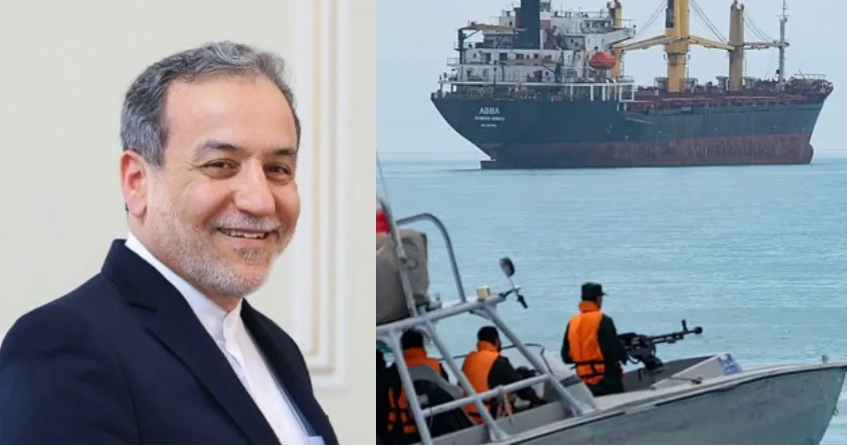
The Strait of Hormuz, a key artery for global trade, has been reopened for the movement of Indian vessels, marking a significant development amid ongoing regional tensions. Iran’s Foreign Minister Abbas Araghchi announced that ships from India and four other friendly nations would be allowed unhindered passage through the strategic waterway. The announcement, also confirmed by the Iranian Consulate General in Mumbai on X, is being viewed as a major diplomatic gesture toward New Delhi.
Iran has clarified that the facility will be extended only to a select group of friendly nations. According to the Foreign Minister, China, Russia, India, Iraq, and Pakistan have been identified as Iran’s closest allies, and vessels from these countries will not face restrictions while transiting through the strait. Tehran emphasized that the decision applies only to nations that have not supported international actions against it.
#Iran FM Abbas #Araghchi: We permitted passage through the Strait of #Hormuz for friendly nations including China, Russia, India, Iraq, and Pakistan. pic.twitter.com/RvLtiwYB4v
— Consulate General of the I.R. Iran in Mumbai (@IRANinMumbai) March 25, 2026
The move brings relief to several Indian vessels that had been stranded near the Strait of Hormuz in recent weeks. Reports indicate that at least five large ships, including gas tankers and carriers transporting essential goods, were awaiting clearance. With Iran granting passage, these vessels are now expected to resume their journey toward Indian ports, ensuring stability in fuel supplies and trade flows.
In a parallel development, Iran is considering the introduction of a toll system for ships passing through the strait. International reports suggest that the Iranian Parliament is working on legislation to impose transit fees, with assurances of full military protection for vessels in return. The proposed system is aimed at providing security against piracy and other maritime threats while reinforcing Iran’s control over one of the world’s most critical shipping routes.