





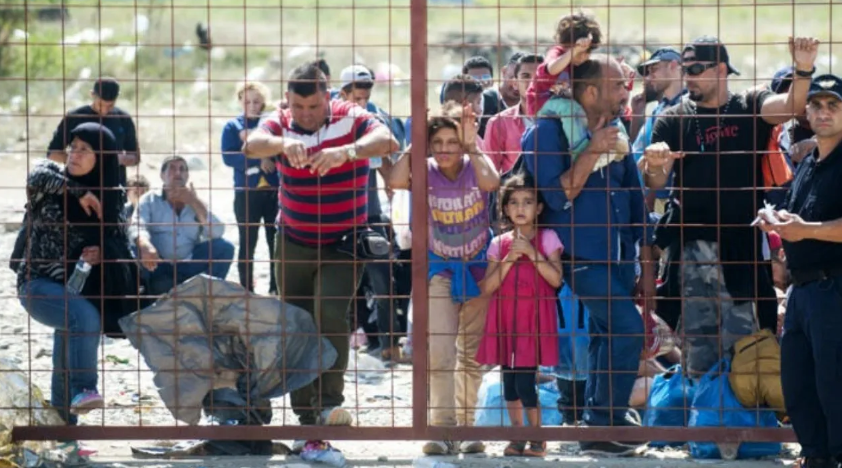
After returning to power for a second term, US President Donald Trump has stepped up the deportation of illegal immigrants, and Europe now appears to be adopting a similar approach. The European Union has decided to restrict asylum applications from seven countries, including India, citing security and migration management concerns. The list of countries classified as “safe” also includes Bangladesh, Egypt, Morocco, Colombia, Tunisia and Kosovo.
The decision has drawn sharp criticism from human rights organisations, which argue that the move could undermine protections for genuine asylum seekers. The EU has maintained that countries where there is no indiscriminate or widespread violence can be designated as safe. An agreement on the policy has been reached between the European Parliament and the European Council, though individual applicants will be required to prove that the “safe country” classification should not apply in their case.
The new rules are set to come into force from June 2026 and may later be expanded to include additional countries. Once implemented, asylum seekers from countries deemed safe could be returned to their home nations. However, the EU has clarified that exemptions will be granted to individuals who face a real risk of physical harm if sent back.
Meanwhile, the Trump administration has also tightened refugee-related policies in the United States. The US Citizenship and Immigration Services (USCIS) recently announced a reduction in the validity of work permits issued to refugees, asylum seekers and Green Card applicants. The Employment Authorization Document, which earlier had a validity of up to five years, has now been reduced to 18 months, with USCIS citing security considerations for the change.