





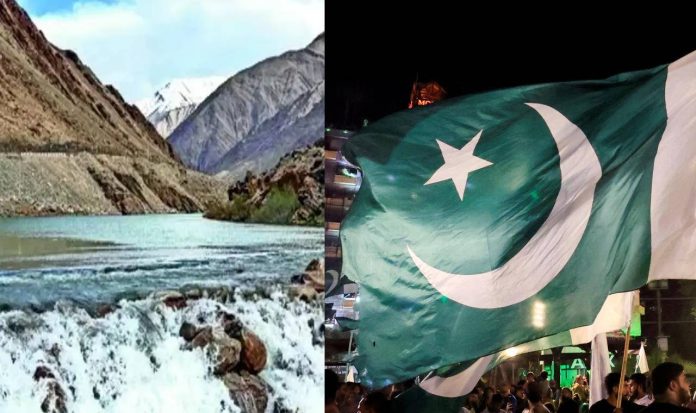
Pakistan finds itself in a peculiar and costly predicament in its ongoing dispute with India over the Indus Waters Treaty. Having filed the case against India before an international court, Pakistan now finds itself footing not only its own legal expenses but also India’s share of the costs — a situation triggered by India’s boycott of the proceedings and its decision to hold the treaty in abeyance. Pakistan has so far spent more than $600,000 on the case being heard before the Permanent Court of Arbitration.
At the heart of the dispute is Pakistan’s objection to the design of the Kishenganga and Ratle hydroelectric projects being built by India under the framework of the Indus Waters Treaty. Pakistan alleges that the designs violate the terms of the treaty and has taken the matter to international arbitration. India, however, contends that such technical disputes must be resolved through a Neutral Expert mechanism as prescribed by the treaty, and that approaching the court instead is itself a violation of the agreement.
Following last year’s terror attack in Pahalgam in April, India suspended all treaty-related engagements, including participation in the arbitration proceedings, pending decisive action from Pakistan against cross-border terrorism. New Delhi has maintained that Pakistan’s decision to pursue the matter in court amounts to a disregard for the treaty itself, and has stated firmly that any ruling issued by the court will not be binding on or applicable to India. Nevertheless, under international arbitration rules, proceedings can continue even in the absence of one party — and the court has accordingly declared that it has jurisdiction and is continuing the hearings without India’s participation.
Compounding matters is Pakistan’s fragile economic situation. The country is currently operating under a $7 billion loan facility from the International Monetary Fund and grappling with the strain of stringent fiscal reforms mandated under that program. Against this backdrop, the burden of unnecessary legal costs — including those it must bear on India’s behalf — has become an added headache for Islamabad at a particularly difficult economic moment.
With no resolution in sight, the longer the dispute drags on, the more Pakistan stands to spend, all while India remains absent from the process and the case’s legal legitimacy remains contested. For now, the standoff persists on both diplomatic and judicial fronts, leaving Pakistan caught in a costly bind of its own making.