





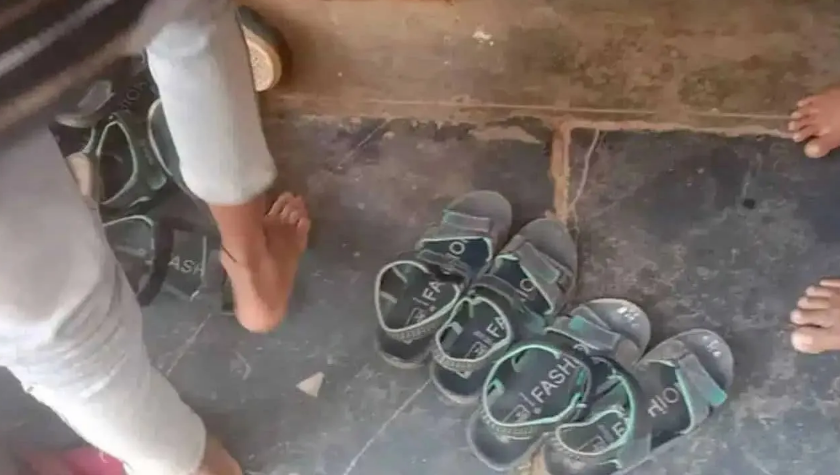
The Karnataka government is considering a significant change to its free footwear scheme for students enrolled in government schools across the state. The School Education Department is evaluating a proposal to provide slippers as an alternative to shoes and socks in select regions, particularly in areas prone to extreme heat and heavy rainfall.
Health Concerns Drive the Proposal
The move comes on the back of reports indicating that children in humid and rain-intensive regions are suffering from foot infections caused by wearing closed shoes throughout the day. Officials noted that during the monsoon season, shoes and socks remain wet for hours on end, leading to fungal infections and persistent foot odour among students. Authorities believe that slippers would serve as a more practical and hygienic option across both summer and monsoon seasons, offering greater comfort to children in climate-vulnerable areas.
District-Level Feedback Sought
The Education Department has reached out to Deputy Directors across all districts, seeking their inputs on whether shoes or slippers would be more suitable based on local climatic conditions. Officials believe that a region-specific approach, rather than a uniform state-wide policy, would better serve the health, hygiene, and comfort needs of millions of students in government and government-aided schools.
Current Scheme at a Glance
Under its existing welfare scheme, the Karnataka government currently provides each government school student with one pair of shoes and two pairs of socks annually, free of cost. The allocated amounts per student for the last year stood at ₹265 for Classes 1 to 5, ₹295 for Classes 6 to 8, and ₹325 for students in Classes 9 and 10.
No Final Decision Yet
Education Department officials have clarified that the proposal remains under consideration and that no final decision has been taken. A conclusive direction is expected only after district-level reports and feedback are compiled and reviewed. If implemented, the policy shift is expected to significantly reduce health-related issues for lakhs of students by ensuring that footwear provided is better suited to the local environment.