





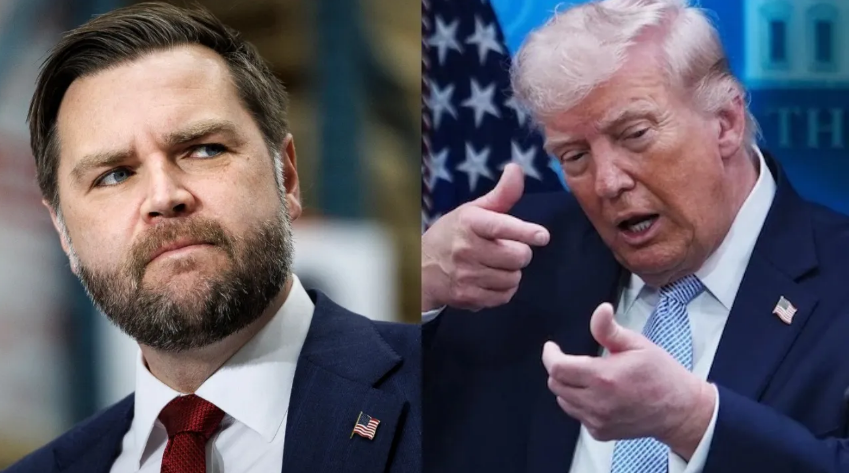
The peace talks between the United States and Iran have reportedly ended in failure, triggering political repercussions within the US administration. The development has raised questions over the role of Vice President J.D. Vance, who was associated with the negotiations. Political observers note that the outcome may have broader implications for internal dynamics within the White House.
Earlier remarks by President Donald Trump had suggested that he would claim credit if a deal with Iran succeeded, while placing responsibility on Vance in case of failure. Following the unsuccessful outcome of the Islamabad-held discussions, analysts believe Vance could potentially face political backlash as part of a blame-shifting strategy within the administration.
Reports indicate that Vance, who is perceived as lacking extensive diplomatic experience, was assigned a central role in the talks despite internal differences. Sources claim that strict conditions were imposed ahead of the negotiations, limiting flexibility and contributing to the difficulties faced during discussions with Iranian representatives.
Meanwhile, speculation is growing over Vance’s diminishing influence within the White House. Senior officials, including Secretary of State Marco Rubio and Defense Secretary Pete Hegseth, are reportedly maintaining stronger positions as key Trump allies. In contrast, Vance is said to be increasingly sidelined in strategic decision-making, fueling internal political discussions.
Although the US Vice President cannot be removed constitutionally, analysts suggest that political isolation and reputational damage could weaken Vance’s standing. Trump has downplayed the significance of the talks, stating that the US remains in a strong position regardless of the outcome. International media reports further indicate that the episode could negatively impact Vance’s long-term political prospects, including any potential future presidential ambitions.