





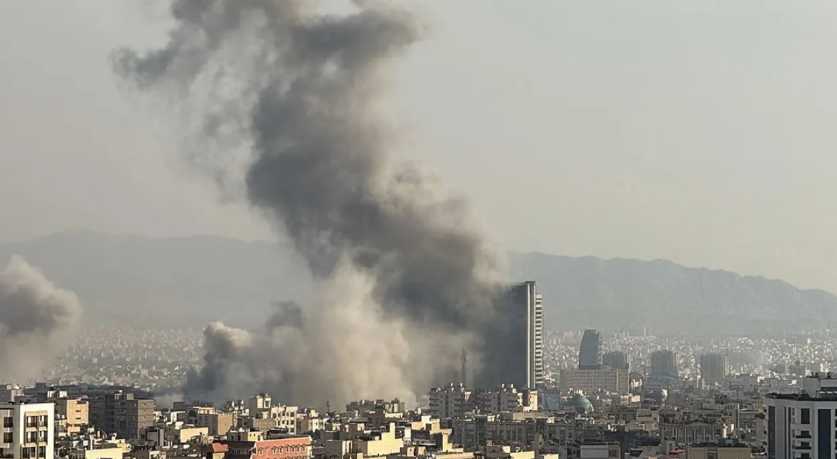
Tensions in West Asia have reached alarming levels as Israel and United States face off against Iran in intense military operations. Both sides are using highly advanced weaponry, with the US and Israel bearing heavy operational costs, while Iran continues attacks at comparatively lower expense. Under “Operation Epic Fury,” the US has targeted Iranian underground facilities using B-2 Spirit stealth bombers and B-52 Stratofortress bombers equipped with GBU-57 bunker-buster bombs, striking nuclear sites at Natanz and Fordow. Tomahawk missiles launched from US ships and submarines have hit targets up to 1,600 km away, and the US has also deployed low-cost unmanned kamikaze drones similar to Iran’s Shahed series.
Israel, under “Operation Roaring Lion,” has used F-35I Adir fighter jets for stealth air raids and employed Rampage and Delilah missiles to penetrate Iranian air defenses. To counter hundreds of missiles launched by Iran, Israel has activated its Iron Dome and Arrow defense systems, intercepting rockets, mortars, drones, and artillery shells, and defending against long-range ballistic threats.
Iran, pursuing its “Axis of Resistance” strategy, has launched thousands of weapons including ballistic missiles such as Khaybar Shekan and Fateh-1, attempting to breach Israeli defenses. By March 7, Iran had fired approximately 571 ballistic missiles. In addition, Iran deployed suicide drones including Shahed-136 and the new Arash-2 variant, targeting US bases in the Gulf and Israel, with nearly 1,391 drones launched so far. Iran has also used long-range cruise missiles like the Pave series in its operations.
Since February 28, combined US and Israeli forces have conducted over 2,500 strikes against Iran, deploying more than 6,000 advanced bombs and munitions. These operations have reportedly destroyed 80% of Iran’s aerial defense systems, including S-300 units. The use of high-precision weaponry and large-scale drone operations reflects a significant escalation in the conflict, with major implications for regional security and global energy markets.
Experts warn that if hostilities continue, the conflict could disrupt global oil supply lines, particularly affecting countries like India, while diplomatic efforts remain limited and ongoing military engagements show no immediate signs of de-escalation.