





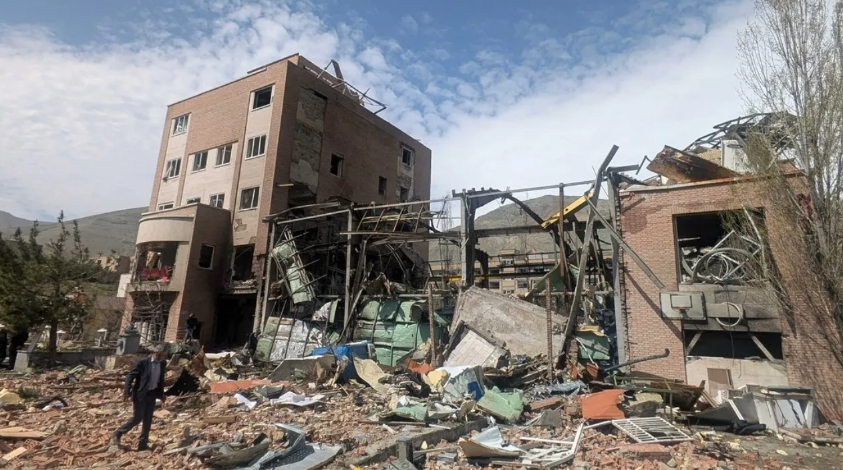
Tensions in West Asia are intensifying as the aerial strikes launched on February 28 continue unabated. The U.S. and Israel’s combined air campaigns against Iran have severely damaged over 30 universities, according to Iran’s Science Minister Hossein Simai Sarraf. Recent attacks targeted Shahid Beheshti University in northern Tehran and key infrastructure at Mehrabad Airport, disrupting both educational and logistical networks in the region.
The strikes have raised serious humanitarian concerns, affecting thousands of students, researchers, and staff. Medical facilities, hospitals, and Iran’s Pasteur Institute—a major biomedical hub—have also suffered damage. Despite structural losses, emergency services and vaccine production continue, though WHO Director-General Tedros Adhanom warned that targeting civilian health infrastructure violates international humanitarian law.
The conflict has spread to neighboring countries including Iraq, Lebanon, and Syria, heightening regional instability. Over 3,000 people have been killed, more than 30,000 injured, and nearly 4 million displaced, many forced to flee abroad. Essential health and education systems are collapsing under the combined pressures of war and civilian needs.
Amid growing global concern, international organizations and governments are being urged to intervene immediately. Public and humanitarian appeals stress the need for diplomatic efforts to de-escalate the conflict, protect civilian lives, and restore critical services, highlighting the urgent humanitarian crisis unfolding across West Asia.