





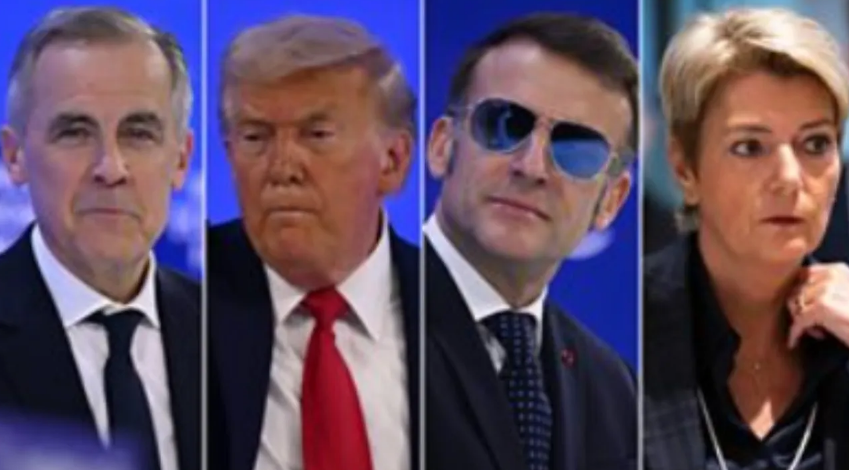
Tensions between the United States and its traditional allies in Europe have sharply escalated over Greenland, triggering an unprecedented rift among Western partners. The dispute began after US President Donald Trump renewed his focus on Greenland, declaring his intent to acquire the resource-rich island. Denmark rejected the claim outright, asserting that Greenland is an integral part of its territory, a stance that has received strong backing from European Union member states.
The confrontation intensified after President Trump announced tariffs on European countries that opposed his position. He initially imposed a 10 per cent tariff and warned of further increases, prompting strong backlash across the EU. The issue dominated discussions at the World Economic Forum in Davos, where European leaders used the global platform to openly criticise Washington’s approach. Canadian Prime Minister Mark Carney said American dominance was fragmenting the world order and stressed that only Greenland’s people have the right to decide the island’s future, reaffirming support for Denmark and Greenland.
French President Emmanuel Macron issued one of the strongest rebukes, accusing the US of adopting a new imperialist and colonial mindset that threatens decades-old partnerships. He condemned the use of tariffs as a weapon against allies and urged the EU to prepare robust countermeasures, describing Trump’s trade actions as unacceptable. Leaders from the UK, Germany, Denmark, Greenland and the European Commission echoed these views, warning that threats and economic pressure undermine international law.
In response to the tariff escalation, the European Union froze approval of a trade deal with the United States, halting a planned vote in the European Parliament on lifting tariffs on American goods. While Trump later rolled back the tariff measures amid united European resistance, he reiterated his claim over Greenland. The EU, however, has made it clear it will not yield, signalling that the standoff over Greenland and broader trade relations is far from over and will continue to be closely watched by the international community.