





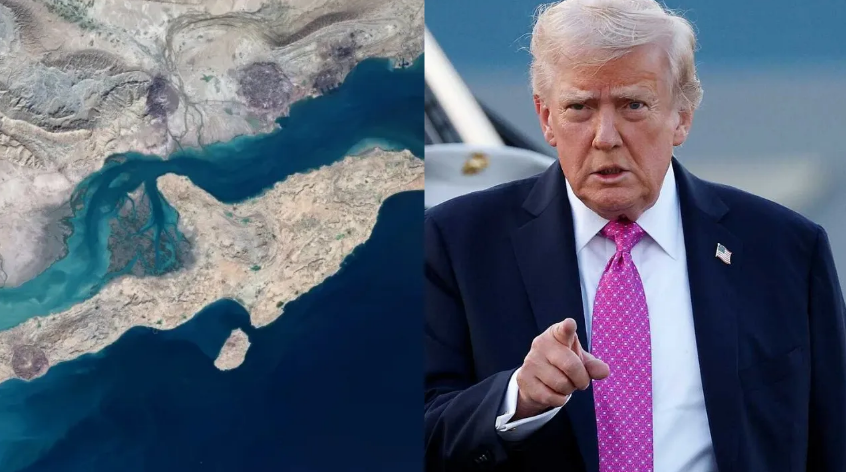
Tensions surrounding the Strait of Hormuz have escalated sharply amid the ongoing Iran–US conflict, drawing global attention to one of the world’s most critical maritime chokepoints. Reports indicate that Iran has considered restricting or closing the strategic waterway, a move that could significantly disrupt international trade and global energy supplies. The Strait serves as a vital route for crude oil shipments from Gulf nations to global markets.
In response, the United States has issued a strong warning, with reports suggesting preparations for a blockade operation scheduled to begin at 7:30 PM. US President Donald Trump has reportedly directed the US Navy to intercept vessels entering or exiting Iranian ports, warning that any ship engaging with Iran could be stopped in international waters. Following these directives, US naval forces have been deployed in the region, intensifying military presence around key maritime routes.
Iran has strongly condemned the US actions and warned of severe consequences if its ports or maritime access are blocked. Tehran has stated that it will respond decisively to any attempt to disrupt its shipping routes, further heightening fears of a broader military escalation. The developments have already contributed to volatility in global crude oil markets, with prices witnessing a sharp upward trend.
The crisis has also raised concerns over global supply chains, as a significant portion of Gulf food imports and energy exports depends on the Strait of Hormuz. Analysts warn that any prolonged disruption could trigger shortages and steep increases in fuel prices, particularly affecting import-dependent countries such as India. While the United Kingdom has expressed opposition to the blockade, urging restraint, international observers continue to caution against further escalation.
Meanwhile, China has voiced strong concern over the situation, calling for the protection of open and secure international shipping routes. Beijing emphasized that the Strait of Hormuz is a critical artery for global trade and energy security, and warned that any disruption could have severe consequences for the world economy. Chinese officials urged all parties to resolve disputes through dialogue, noting that nearly one-fifth of global oil trade passes through the strategic waterway.