





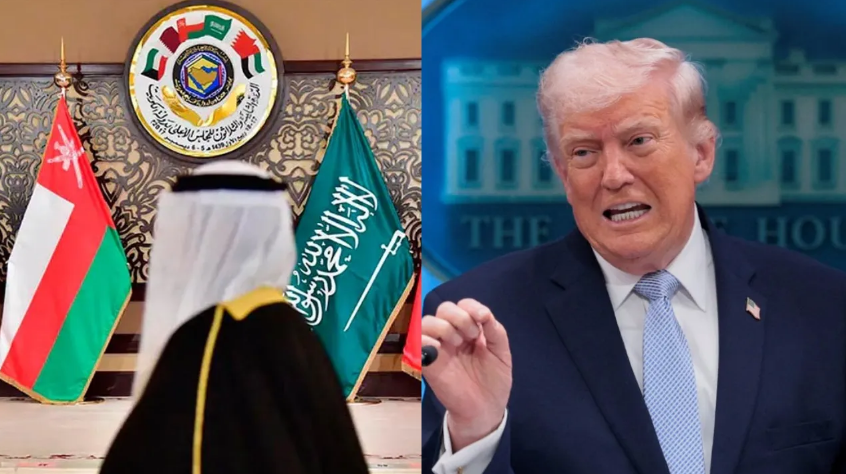
A two-week temporary ceasefire between the United States and Iran is currently in place, but security concerns continue to intensify across Gulf nations. Reports indicate rising anxiety in Saudi Arabia, the UAE, and Qatar over the possibility of renewed Iranian attacks, with uncertainty over timing and targets. According to The Wall Street Journal, these developments are prompting Gulf countries to reassess their long-standing dependence on the United States for defense requirements, especially amid delays and production constraints in the US defense industry.
As part of this shift, Gulf nations are actively exploring alternative defense partnerships. Saudi Arabia is reportedly in talks with South Korea for the procurement of the M-SAM missile defense system, which has demonstrated effectiveness in countering drone threats. The UAE has already successfully tested similar systems, while several Gulf states are also in discussions with UK-based startups for cost-effective short-range missile technologies aimed at countering low-cost drone warfare.
The heightened security concerns stem from recent escalations in the region, including coordinated US-Israeli strikes on Iran, which were followed by retaliatory Iranian attacks on US bases and critical infrastructure in Gulf countries. Drone strikes on oil facilities in Saudi Arabia and the UAE, along with missile debris reported near Dubai’s Burj Khalifa, have further intensified regional apprehensions. These incidents have accelerated Gulf efforts to diversify defense procurement beyond traditional US reliance.
Meanwhile, Gulf states such as Qatar and Saudi Arabia are also engaging with Ukraine on defense cooperation, including visits to Ukrainian training facilities to study electronic warfare systems and interceptor drone technologies. Although Ukraine is currently unable to export weapons due to ongoing conflict, future technology-sharing agreements are being explored. At the same time, despite recent $23 billion US arms deals with the UAE and Kuwait, delivery delays and shifting US priorities have further encouraged Gulf countries to expand their defense partnerships globally.