





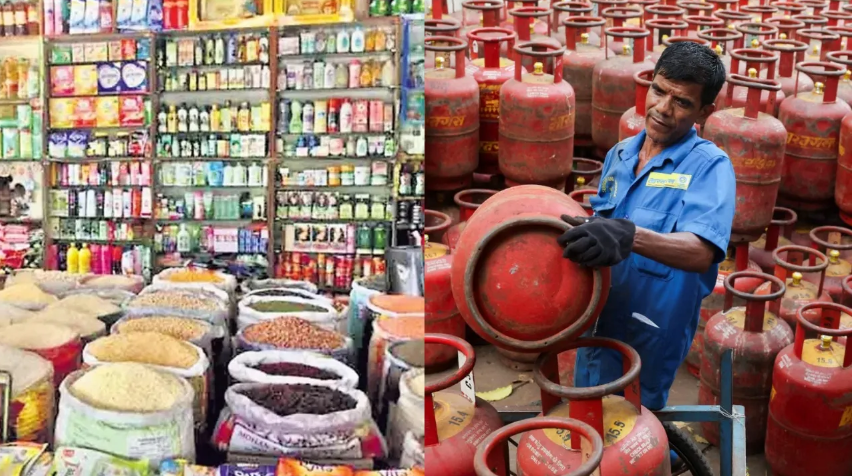
Amid the ongoing conflict in West Asia, the central government convened a high-level review meeting to assess the situation and its potential impact on India. Concerns have been raised over possible disruptions in the supply of essential commodities due to the conflict. Addressing these fears, the government assured that adequate buffer stocks are available and that there is no immediate cause for concern.
Officials stated that the prices of key essential items, including rice, wheat, onions, tomatoes, and potatoes, remain stable across the country. They emphasized that there are no signs of significant price fluctuations in the near future and that necessary measures are in place to maintain supply and price stability.
The government also responded to concerns regarding a potential shortage of LPG, clarifying that sufficient gas reserves are available nationwide. Refineries are operating at full capacity, and there has been no disruption in crude oil supplies. Authorities highlighted that the fuel supply chain remains robust and urged citizens not to panic over LPG availability.
On the diplomatic front, India has intensified its efforts to ease tensions in the region. External Affairs Minister S. Jaishankar held discussions with representatives of Gulf countries and also spoke with Iranian Foreign Minister Abbas Araghchi. These engagements focused on understanding the evolving situation and exploring ways to reduce tensions and promote peace.
Meanwhile, a key development has emerged with reports indicating a possible ceasefire between the United States and Iran. Pakistan, Türkiye, and Egypt are said to be mediating talks and have presented a draft proposal that includes a 45-day ceasefire and reopening of the Strait of Hormuz. Officials believe this window could facilitate negotiations toward a lasting truce, while both countries are currently reviewing the proposal.