





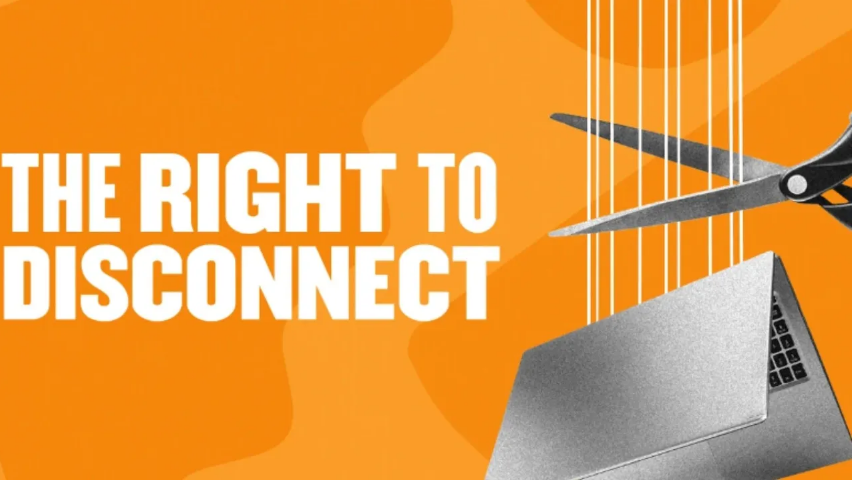
A discussion on work–life balance gained prominence during the ongoing winter session of the Lok Sabha. MP Supriya Sule introduced the Right to Disconnect Bill, proposing that employees should have the legal right to disengage from work-related communication after official working hours. The bill seeks restrictions on office calls and emails beyond work hours, allowing employees to disconnect from work without consequences. The proposal has drawn attention at a time when several labour unions are expressing concerns over the Centre’s newly introduced labour codes.
Explaining the need for the legislation, Supriya Sule stated that the digital age has significantly increased professional pressure on employees, leading to escalating stress levels. She said the bill aims to protect personal time, allowing individuals to ignore work calls, emails and messages after office hours and on holidays. The MP pointed out that employees today are compelled to work even when on sick leave, blurring the line between personal and professional life and causing negative impacts on mental and physical health.
Supporters of the bill argue that adequate rest and personal time enhance employee efficiency, boost focus during working hours and reduce technology-driven stress. According to the draft, companies violating the rule would be liable to pay a penalty of 1% of the employee’s total salary. Discussions on the bill are still underway, and its implementation remains uncertain.
Similar legislation is already in force in multiple countries, including Spain, France, the United States, Belgium, Italy and Ireland. Australia also recently adopted such provisions. France was the first country to introduce this law in 2017, followed by Spain in 2018 as part of its data protection framework. Belgium implemented the Right to Disconnect in 2022.