





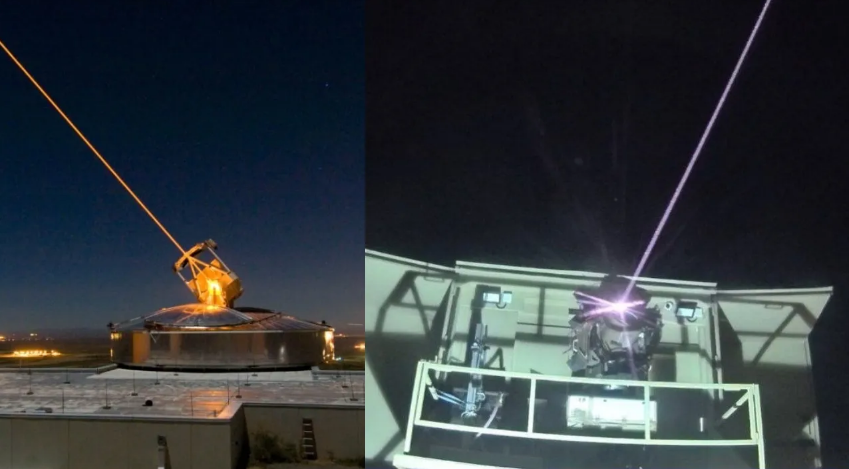
Israel has achieved a significant breakthrough in modern warfare strategy with the operational deployment of its high-energy laser defence system, Iron Beam, during the 2026 Iran-Israel conflict. On March 2, the Israeli Defense Forces reportedly used the system to intercept rockets launched by Hezbollah, destroying them mid-air and demonstrating the platform’s combat readiness.
Developed by Rafael Advanced Defense Systems and known in Hebrew as “Or Eitan,” Iron Beam is a 100-kilowatt laser-based interception system designed to neutralize rockets, drones, mortars and artillery shells within seconds. It is intended to complement Israel’s existing multi-layered air defence network, including the Iron Dome and David’s Sling systems. The platform operates through a three-stage process: radar detection and tracking, rapid laser engagement, and destruction of the target through intense heat that causes structural failure mid-flight.
A major advantage of the system is its cost efficiency. Traditional interceptor missiles used in systems such as Iron Dome can cost thousands of dollars per launch. In contrast, each laser shot from Iron Beam is estimated to cost between $2 and $10, as it relies primarily on electricity rather than physical munitions. This provides what defence analysts describe as a near “unlimited ammunition” capability during sustained engagements.
Research on Iron Beam began in 2014, with full operational readiness reportedly achieved in September 2025. The system is currently being used as part of Israel’s ongoing operations against Iran-backed groups. With an effective range of up to 10 kilometres, it has proven particularly effective against drone swarms, though its performance may be somewhat affected by adverse weather conditions such as heavy rain or dense cloud cover. Defence experts view the deployment as a milestone that could reshape the future of air defence by reducing reliance on expensive interceptor missiles.