





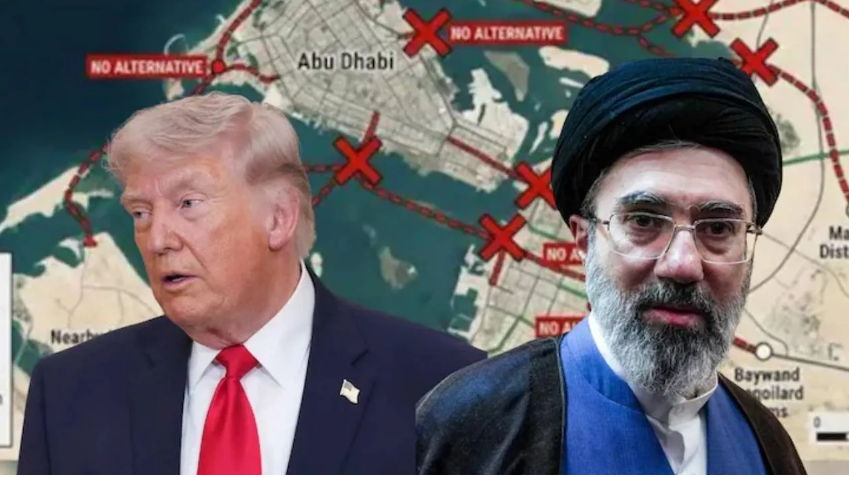
Iran’s strategy in its ongoing standoff with the United States appears to be yielding significant diplomatic leverage, with analysts noting that Tehran has succeeded in bringing Washington to the negotiating table. However, the latest round of peace talks held in Islamabad aimed at de-escalating tensions ended without any agreement after 21 hours of discussions, as Iran refused to accept key US conditions.
The primary points of contention reportedly included Iran’s uranium enrichment programme and control over the strategically vital Strait of Hormuz. Iran maintained a firm stance on both issues, rejecting US demands for strict limitations and clear long-term commitments on its nuclear activities, leading to the collapse of diplomatic efforts.
Despite facing prolonged economic pressure due to sanctions, inflation, and currency instability, Iran is believed to be leveraging its geographic advantage in the Gulf region. The Strait of Hormuz, a critical global oil transit route, is being viewed by Tehran as a strategic asset, with reports suggesting plans to impose levies on oil shipments passing through the waterway as a potential revenue source.
The United States, despite its overwhelming economic and military superiority with a multi-trillion-dollar economy and a massive defence budget, is also reportedly facing domestic pressure due to rising fuel prices and inflationary concerns linked to global instability. Analysts suggest that prolonged tensions are adding political sensitivity for the US administration, particularly ahead of key electoral considerations.
Meanwhile, Iran has reportedly expanded limited oil trade channels with countries such as India and China during temporary sanctions relaxations, strengthening its economic resilience. The breakdown of the Islamabad talks is being interpreted by some observers as part of Iran’s broader strategic approach to prolong negotiations while increasing its bargaining power in the ongoing geopolitical confrontation.