





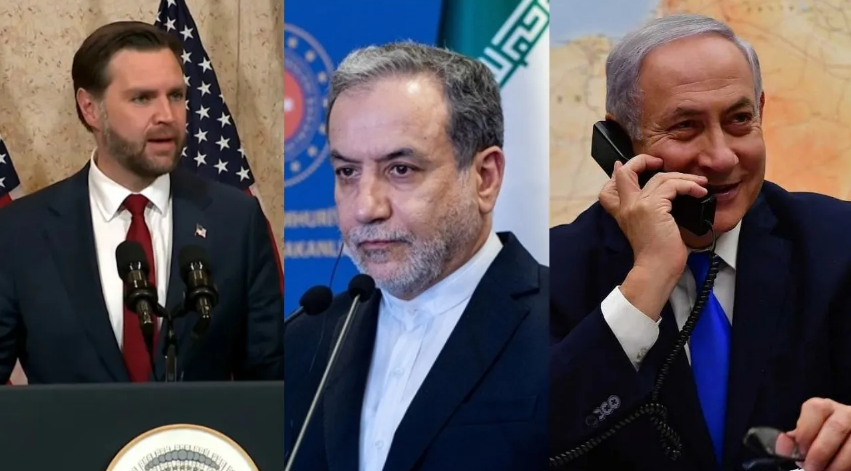
Reports confirm that US-Iran peace talks held in Islamabad, Pakistan, have collapsed after nearly 21 hours of negotiations, with no agreement reached between the two sides, amid rising geopolitical tensions and competing demands over Iran’s nuclear program and regional security issues.
Adding a new dimension to the diplomatic breakdown, Iranian Foreign Minister Seyed Abbas Araghchi alleged that Israeli Prime Minister Benjamin Netanyahu contacted US Vice President J.D. Vance during the talks, which he claimed disrupted the negotiation process and shifted Washington’s focus toward Israeli interests, a claim that has not been officially confirmed by the United States.
According to Iranian sources, the US reportedly tabled a set of stringent conditions during the discussions, including unrestricted access for navigation in the Strait of Hormuz, a complete halt to Iran’s uranium enrichment activities, and the transfer of existing enriched uranium stockpiles, which Washington described as its final proposal, but Tehran rejected, calling the terms a violation of its sovereignty.
The failure of the talks comes despite an ongoing two-week ceasefire agreement, which is scheduled to expire in nine days, raising concerns over a possible escalation in tensions between the two nations and increased instability in the region.
Meanwhile, the diplomatic setback has already impacted global energy markets, with analysts warning that crude oil prices, which had eased to around $95 per barrel during the ceasefire period after previously reaching $119, could once again surge above the $100 mark, especially amid continued disruptions in the Strait of Hormuz and growing reluctance among several NATO and Gulf countries to support potential US military action against Iran.