





Pakistan’s stance of choosing opponents selectively has been termed contrary to the spirit of cricket. As per the official schedule, the high-profile India–Pakistan match is slated for the 15th of this month at Colombo’s Premadasa Stadium. If Pakistan opts out, the International Cricket Council (ICC) is expected to initiate strict disciplinary action. The Pakistan Cricket Board (PCB) also faces the risk of significant financial losses, as tournament revenues could be withheld. Already grappling with a severe financial crisis, PCB may suffer further setbacks if the India fixture is cancelled, potentially cutting off crucial funding streams.
Earlier, the Bangladesh Cricket Board had urged the ICC to shift its matches from India to Sri Lanka citing security concerns. However, after reviewing the situation, the ICC ruled that security arrangements in India were adequate, leading Bangladesh to withdraw from the tournament. Scotland was subsequently named as Bangladesh’s replacement.
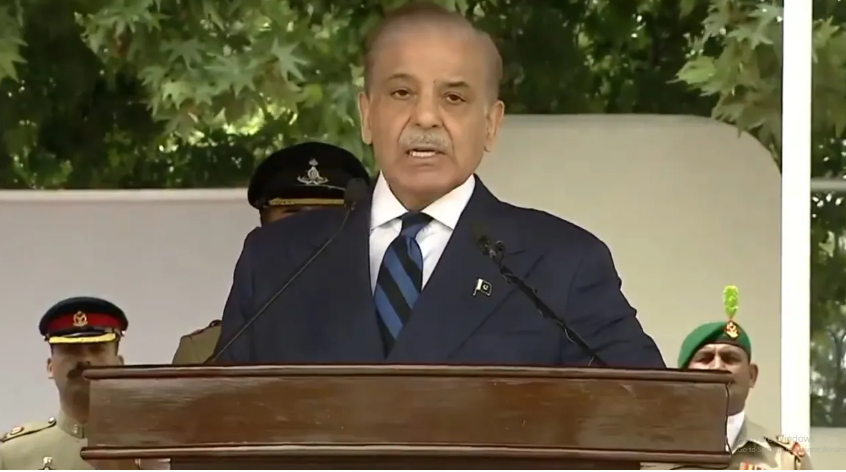
Amid these developments, Pakistan Prime Minister Shehbaz Sharif officially announced that Pakistan will not play against India in the ICC Men’s T20 World Cup 2026, stating that politics should not interfere with sports. He did not, however, specify the exact reasons behind the decision. Standing in support of Bangladesh, Pakistan has now indicated it will also boycott matches against India, prompting the ICC to take serious note of the move as it assesses its impact on the tournament and its commercial stability.