





Nepal is witnessing renewed political turmoil as the same Gen-Z youth who propelled Balendra Shah (Balen Shah) to power are now protesting against his government. Six months into his tenure as Prime Minister, demonstrators accuse him of adopting anti-people and authoritarian governance, marking a dramatic reversal in public sentiment toward a leader once hailed as a youth icon.
The immediate trigger for the unrest was the government’s sudden decision to relocate poor and displaced residents living along Kathmandu’s riverbanks to shelter centers. Officials justified the move as necessary to prevent flood damage during the upcoming monsoon season. However, Gen-Z activists have condemned the evictions as inhumane, arguing they were carried out without any proper rehabilitation plan for the affected families.
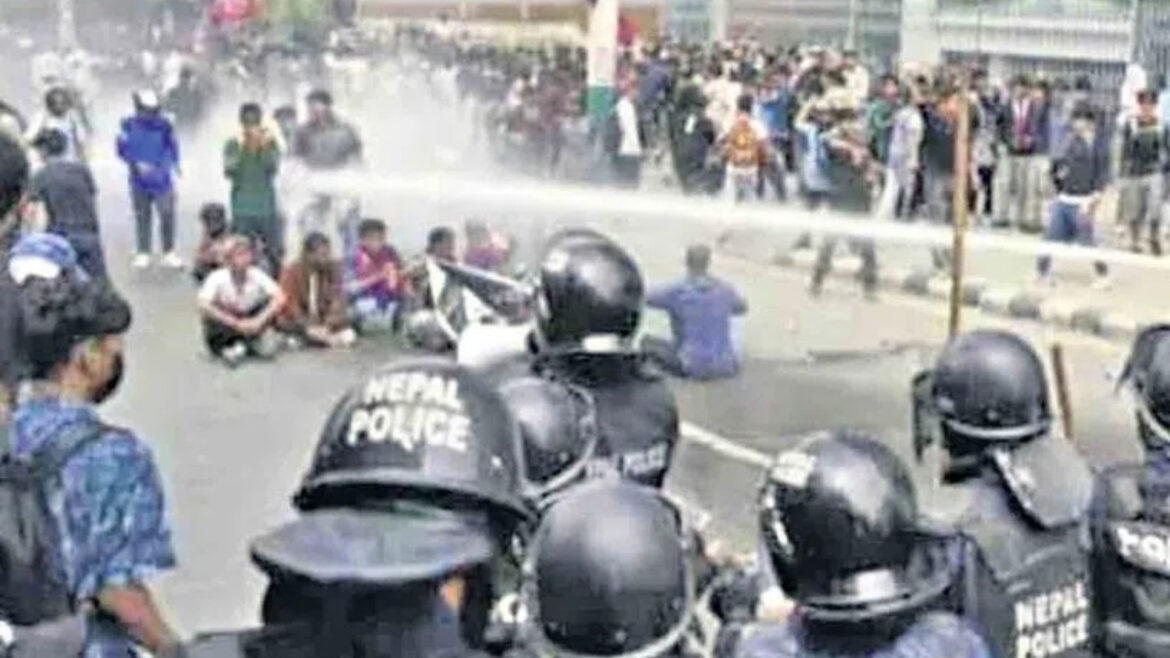
The forced relocations sparked violent clashes between security forces and protesters. Police resorted to baton charges to disperse the crowds, leaving several demonstrators injured. Large groups of young people gathered outside major government offices in Kathmandu, holding placards and demanding an immediate halt to what they described as the mistreatment of the poor.
The protests have been marred by tragedy. Over the past three days, three young men attempted self-immolation by dousing themselves with petrol; two later died from their injuries. Reports indicate one man set himself on fire after his motorbike was fitted with a wheel lock during a police crackdown, while the others reportedly acted amid rising unemployment and financial distress.
The unrest echoes events from September 2025, when Nepali youth rose up against the K.P. Sharma Oli government over social media restrictions and corruption allegations. Balen Shah, who backed the movement at the time, rode the resulting wave of public support to a historic election win, leading his Rastriya Swatantra Party to 182 of 275 parliamentary seats. Critics now say his government has failed to deliver on the promises made to the youth who elected him, citing soaring unemployment and the absence of meaningful economic policy.
Opposition leaders have seized on the crisis, with Nepali Congress President Gagan Kumar Thapa demanding the unconditional release of arrested activists and accusing the government of failing to protect young people’s welfare. Critics also note the irony of Balen Shah’s silence, given his own past remarks in 2023 calling youth suicides a sign of government failure. With calls for his resignation growing louder, political analysts warn the crisis could deepen further unless the government takes urgent action on unemployment and youth welfare.