





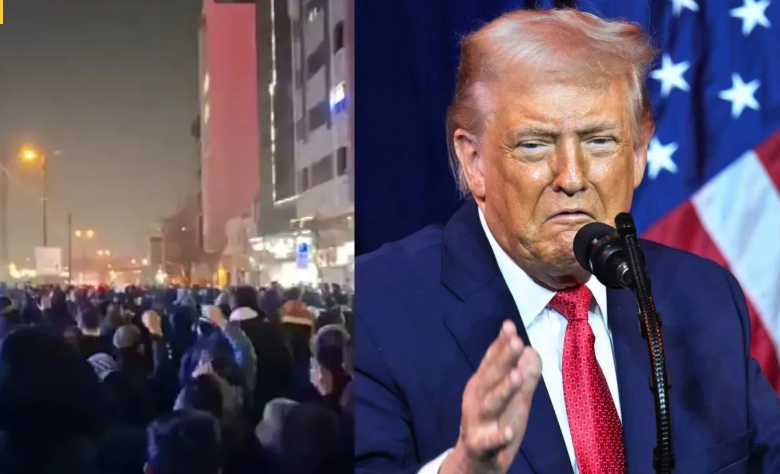
Following its military operations in Iran, the Trump administration is reportedly turning its attention to Cuba, exploring steps aimed at regime change. President Donald Trump, in his second term, has pursued an assertive foreign policy, and his recent comments on Cuba—suggesting a potential “friendly takeover”—have drawn global attention.
Cuba, under communist rule for decades, has faced severe economic and energy challenges. U.S. actions, including sanctions and restrictions on oil shipments from Venezuela and Mexico, have worsened power outages and food shortages on the island. Analysts suggest the administration may seek to leverage these vulnerabilities to pressure the Cuban government, while Cuban President Miguel Díaz-Canel has condemned these measures as “American imperialism.”
Trump disclosed that high-level discussions with the Cuban government are being conducted through Secretary of State Marco Rubio, a Cuban-American. The President indicated that once the Iran situation stabilizes, Cuba could become the next strategic focus. However, it remains unclear whether the U.S. strategy will mirror the military approach used in Iran or rely on economic and diplomatic pressure.
Strategic considerations appear to guide U.S. interest in Cuba. Rising influence of rivals such as Russia and China in the region poses a security concern, while potential unrest could trigger mass migration to the U.S. Additionally, establishing a government aligned with American interests could strengthen U.S. influence across Latin America. Observers say the situation highlights the administration’s broader efforts to consolidate regional power and counter geopolitical adversaries.