





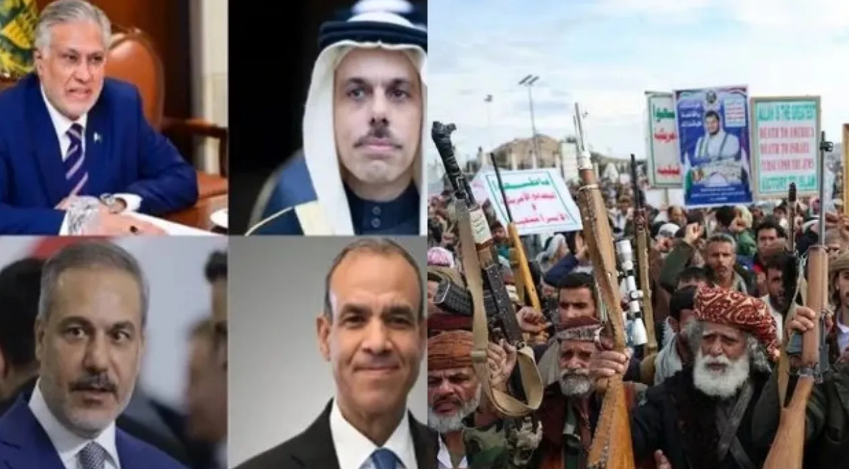
The conflict in West Asia is intensifying, with continued attacks by Israel and the United States on Iran leaving civilians in a state of fear. Over the past month, thousands of people have reportedly lost their lives in Iran, while large-scale destruction of property has been recorded. Despite mounting losses, Iran has continued its counterattacks, further escalating tensions across the region.
Amid the worsening crisis, diplomatic efforts to secure a ceasefire between the involved parties have gathered pace. Pakistan is leading the initiative, with support from Saudi Arabia, Turkey, and Egypt. High-level engagements are underway, with key foreign ministers arriving in Islamabad for talks. A direct meeting between the two sides is expected within the next couple of days as part of intensified diplomatic outreach.
Pakistan’s Prime Minister Shehbaz Sharif has already held discussions with Iran’s President Masoud Pezeshkian over the proposed ceasefire framework. Officials indicate that backchannel communications and phone-based diplomacy are actively ongoing to bring both sides to the negotiating table and prevent further escalation.
Meanwhile, the entry of the Iran-backed Houthi movement into the conflict has added a new layer of complexity. The group has launched missile attacks targeting key locations in Israel. It also controls the strategically vital Bab el-Mandeb Strait, a narrow maritime route connecting the Red Sea and the Arabian Sea, which is crucial for global trade flows.
Experts warn that the Houthi involvement could significantly impact ceasefire negotiations and global economic stability. Any disruption in the Bab el-Mandeb Strait could hinder maritime trade and drive up oil prices, increasing pressure on the United States, Europe, and Gulf nations. At the same time, analysts believe this development may provide Iran with greater leverage in negotiations, even as concerns grow over the risk of a broader regional conflict.