





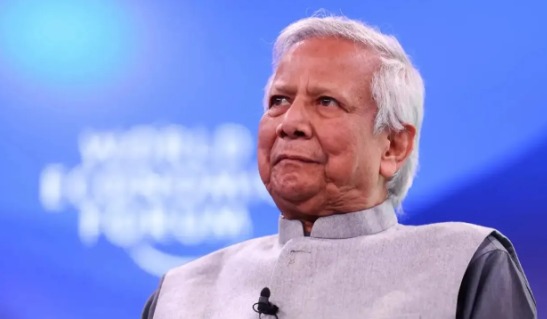
Dhaka: Bangladesh is witnessing escalating religious and communal tensions following a controversial decision by the interim government led by Nobel laureate Mohammad Yunus. After former Prime Minister Sheikh Hasina resigned in August 2024 and moved to India, Yunus lifted the ban on the radical Islamic organization Jamaat-e-Islami, which had been imposed due to its involvement in violent protests and anti-Hindu activities. Analysts say this decision has emboldened radical groups, leading to large rallies in Dhaka and a sharp increase in attacks on minority Hindu communities, including the destruction of homes, temples, and businesses.
Sheikh Hasina had originally imposed the ban on Jamaat-e-Islami and its student wing, Islami Chhatra Shibir, citing its links to Pakistan and its role in violent protests and atrocities during the 1971 Liberation War. The ban had aimed to curb extremism and maintain national security after protests against government reservation policies in 2023 resulted in over 150 deaths. Yunus’s government, however, justified lifting the ban by claiming that Jamaat-e-Islami had not engaged in terrorist activities and had the right to participate in democratic processes.
Since the ban was lifted, reports indicate a rise in communal attacks, including arson, assaults, and forced displacements targeting Hindu minorities. High-profile incidents such as the killing of Deepu Das have been linked to Jamaat-e-Islami operatives. Observers warn that the decision has destabilized Bangladesh, weakening state authority, social cohesion, and security, and has turned what was intended as a democratic gesture into a source of heightened religious and political unrest.