





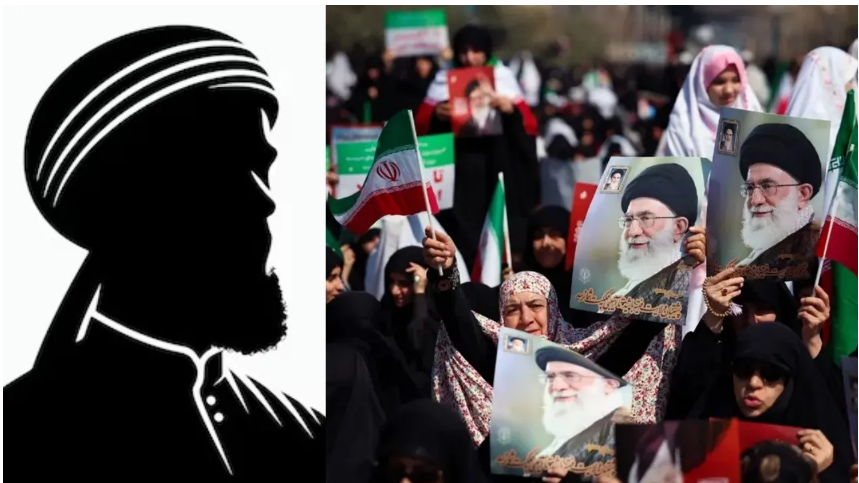
The question of who will succeed Iran’s top political and religious authority has been resolved, though the identity of the new Supreme Leader remains confidential for security reasons. Following the death of Supreme Leader Ayatollah Ali Khamenei during U.S.-Israel airstrikes on February 28, 2026, the Assembly of Experts—the body responsible for selecting Iran’s next Supreme Leader—announced on Sunday that a candidate had been elected by a majority vote. Analysts say the secrecy is intended to protect the new leader amid ongoing military tensions with Israel.
Assembly member Ahmad Alamolhoda confirmed that the voting process had concluded successfully and that the most suitable candidate had been chosen. He stated that the Secretariat would officially announce the leader’s name at an appropriate time. The decision comes as Iran continues to grapple with internal unrest and heightened international scrutiny following Khamenei’s death.
Although the official name has not been disclosed, speculation points to Khamenei’s second son, Mojtaba Khamenei, 56, as a potential successor, reportedly enjoying strong support from Iran’s powerful Revolutionary Guards (IRGC). Some religious scholars oppose hereditary succession, and U.S. President Donald Trump has dismissed Mojtaba as a “lightweight” leader. Other senior clerics, including Ali Reza Arafi, are also believed to be under consideration.
Meanwhile, Israel has issued stern warnings, stating that the newly appointed Supreme Leader would also be a target for military action. Iran is observing 40 days of national mourning, and with rising domestic protests and mounting international pressure, global observers are closely watching how the new Supreme Leader will guide the country amid these turbulent circumstances.